Blog
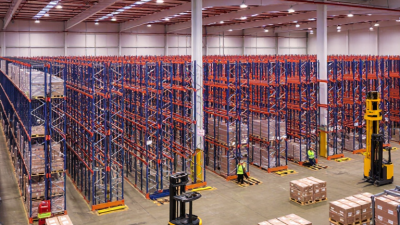
What Is the Best Pallet Storage Racking System in 2026?
Choosing the best Pallet Storage Racking System in 2026 starts with the work happening on your warehouse floor. A narrow-aisle operation handling uniform pallets has different needs from a busy facility storing mixed loads. The right choice depends on pallet dimensions, load weights, ceiling height, forklift type, inventory turnover, and the space available around each aisle. Small details matter. A few centimeters of clearance can affect daily handling.
This guide compares selective, drive-in, push-back, pallet-flow, and mobile racking. It considers storage density, access to individual pallets, installation demands, and room for future changes. No single design fits every warehouse. A system that adds capacity may slow picking or require different equipment. That trade-off deserves a careful look.
One practical principle captures the decision: “Choose the rack around the load and the workflow—not the other way around.” The source material provided does not identify a verifiable pallet-racking expert or contain a quotation, so assigning this line to a named specialist would risk inventing a source. Before publication, add a checked quotation from a qualified rack designer, engineer, or industry association representative. That step strengthens trust. It also keeps the recommendation grounded in real operating experience.
The aim here is not to crown one system for every site. It is to show which options suit particular layouts and inventory patterns, and where their limits appear. A floor plan may look efficient on paper. Then a forklift turns too tightly, or a fast-moving pallet sits behind slow stock. Those are the details worth testing before choosing.
Read more »
 By:Clara
- November 11, 2026
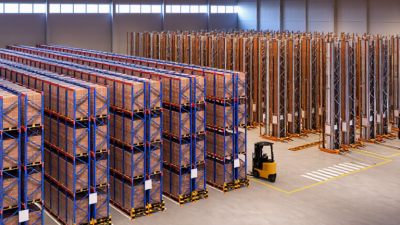
Top Pallet Rack Systems Suppliers for Global Buyers
Choosing Pallet Rack Systems is not a catalog exercise. A rack must fit the building, inventory, equipment, and daily movement of goods. A selective system may suit fast-moving pallets and direct access. Drive-in or shuttle designs can increase storage density, but they change access and operating patterns. Small details matter: aisle width, beam levels, floor condition, and the turning space beside a loading area.
Warehouse design expert Dr. Edward Frazelle’s work emphasizes connecting storage choices with warehouse flow. A practical paraphrase—not a verbatim quotation—is: “Storage should support the movement of goods, not simply fill available space.” That distinction helps global buyers compare suppliers beyond price. Check engineering support, load information, finish options, installation guidance, spare-part availability, and communication across time zones. Ask how each supplier validates a proposed layout. Request clear drawings and assumptions. Details matter.
This guide reviews leading suppliers for buyers seeking dependable Pallet Rack Systems across different markets. It considers product range, customization, service, and suitability for varied operations. A polished brochure is not proof of fit. Nor is the lowest quote. One uncomfortable question remains: does the proposed system match real pallet weights and handling habits, or only an idealized layout? Buyers should verify those assumptions before committing. A rack can look perfect on paper. The warehouse will tell the truth.
Read more »
 By:Evelyn
- November 11, 2026
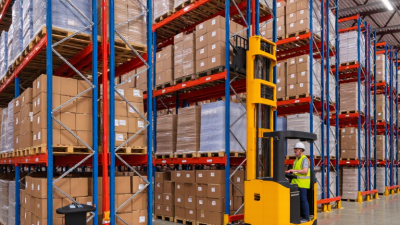
Why Choose Pallet Racking for Your Warehouse?
Warehouse space is costly, and a poorly placed pallet can slow picking, narrow an aisle, or conceal usable capacity. Pallet Racking gives businesses a structured way to store goods vertically and organize stock by location, product, or picking frequency. The right system can make daily work clearer. It cannot fix every process.
Demand for storage continues to shift. The U.S. Census Bureau reported that retail e-commerce sales rose 8.1% in 2024 compared with 2023, reaching 16.1% of total retail sales. That figure does not prove that every warehouse needs more racking. It does show why many operators need to review how quickly inventory moves and where it sits. MHI’s 2024 Annual Industry Report found that 55% of surveyed supply chain professionals planned to increase investment in supply chain innovation. Storage decisions are part of that wider operational picture.
A practical racking plan starts with real measurements: pallet size, product weight, ceiling height, forklift turning space, and expected picking patterns. For example, a rack that fits the building may still create awkward turns for a loaded forklift. Load limits, clear labels, and routine inspections matter, too. No layout is magic. The best choice depends on the inventory and the people moving it. In this article, we’ll examine why pallet racking may suit your warehouse, which factors shape the decision, and where a different storage approach may work better.
Read more »
By:Clara
- November 11, 2026