0%

Choosing Pallet Rack Systems is not a catalog exercise. A rack must fit the building, inventory, equipment, and daily movement of goods. A selective system may suit fast-moving pallets and direct access. Drive-in or shuttle designs can increase storage density, but they change access and operating patterns. Small details matter: aisle width, beam levels, floor condition, and the turning space beside a loading area.

Warehouse design expert Dr. Edward Frazelle’s work emphasizes connecting storage choices with warehouse flow. A practical paraphrase—not a verbatim quotation—is: “Storage should support the movement of goods, not simply fill available space.” That distinction helps global buyers compare suppliers beyond price. Check engineering support, load information, finish options, installation guidance, spare-part availability, and communication across time zones. Ask how each supplier validates a proposed layout. Request clear drawings and assumptions. Details matter.

This guide reviews leading suppliers for buyers seeking dependable Pallet Rack Systems across different markets. It considers product range, customization, service, and suitability for varied operations. A polished brochure is not proof of fit. Nor is the lowest quote. One uncomfortable question remains: does the proposed system match real pallet weights and handling habits, or only an idealized layout? Buyers should verify those assumptions before committing. A rack can look perfect on paper. The warehouse will tell the truth.
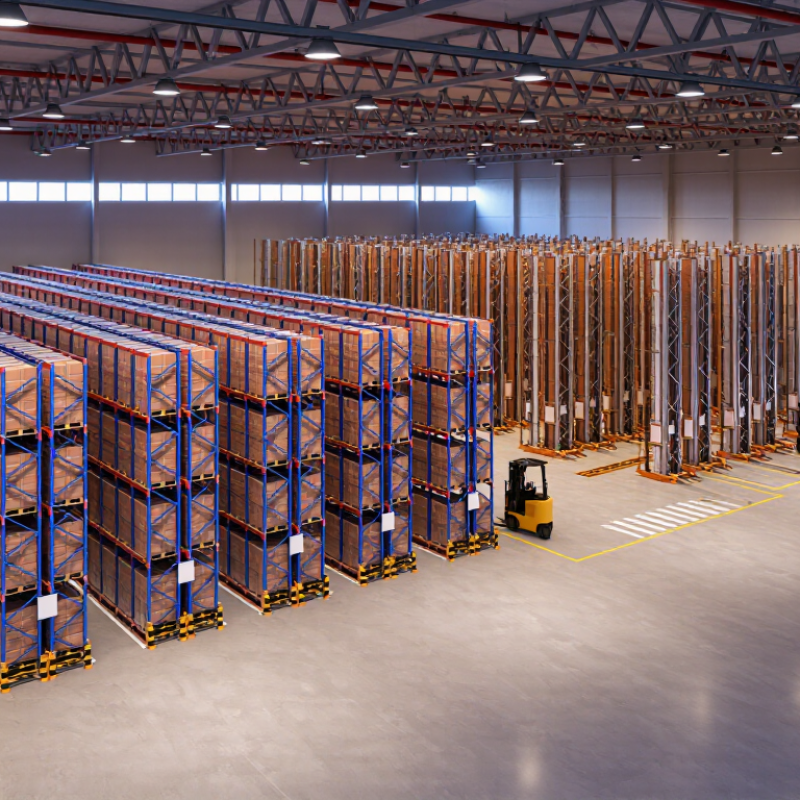
Top Pallet Rack Systems Suppliers for Global Buyers

What Pallet Rack Systems Are and How They Support Warehouse Storage

Pallet rack systems are steel storage structures that organize palletized goods vertically. Upright frames support horizontal beams, creating levels for forklifts to access stored loads. Common layouts include selective racks, which provide direct access to each pallet, and higher-density designs that trade some access for space efficiency. The right arrangement depends on inventory flow, pallet dimensions, equipment, and building constraints.

A well-planned rack system can free floor space and make picking more consistent. Warehouse teams should check load ratings, beam heights, aisle widths, floor conditions, and sprinkler clearance before installation. These details affect daily operation, not just the drawing. A layout that appears efficient on paper may feel awkward when forklifts turn with full pallets. Reviewing actual traffic patterns can reveal issues early, though no plan predicts every change.

Tips: Measure representative pallets, including overhang, and confirm equipment turning needs. Keep load-rating information visible, and inspect beams and frames for damage regularly. Small details matter. Revisit the layout when products or workflows change; this step is easy to postpone, but assumptions can become outdated.

Main Types of Pallet Rack Systems and Their Practical Uses

Selective pallet racking gives forklifts direct access to every pallet position. It suits mixed products and frequent picking, but uses floor space less densely than compact systems. Double-deep racks store two pallets per lane, trading some access for extra capacity. They work best when inventory is predictable and suitable forklifts are available. Drive-in racks place pallets on rails inside deep lanes. They fit large batches of similar goods, though last-in, first-out rotation may not suit every operation. A neat drawing can still mislead. Check load ratings, aisle width, and forklift turning space against actual site conditions.

Push-back racks use inclined carts to store several pallets deep, usually following last-in, first-out order. Pallet flow racks use rollers, allowing pallets to move from loading to picking faces in first-in, first-out sequence. That can help with dated stock, but requires consistent pallet quality and maintenance. MHI and Deloitte’s 2024 Annual Industry Report found that 55% of surveyed supply-chain leaders planned to increase investment in innovation. This is not rack-specific evidence; it does show why buyers are considering systems that support changing operations. Automation is not automatically the better choice. A careful review of SKU variety, daily pallet movements, and handling equipment should guide the selection.

How to Compare Suppliers Across Global Markets

Compare pallet rack suppliers against one shared specification, not catalog photos. State pallet dimensions, unit weights, beam spans, aisle widths, forklift type, and expected expansion. Ask for capacity calculations, connection details, anchor requirements, and drawings showing the actual bay layout. Check whether the supplier can support local engineering review and installation. Requirements vary by market, especially for seismic design, fire protection, and building approvals. A low quote can hide missing components or unclear load assumptions.

Compare total delivered cost, lead time, warranty terms, replacement-part availability, and service coverage. Request a sample project schedule and references for warehouses with similar loads and operating conditions. MHI and Deloitte’s 2024 Annual Industry Report found that 55% of surveyed supply chain leaders planned to increase technology investment. That shift makes compatibility with scanners, conveyors, and future automation worth discussing, even for a manual rack system. Yet forecasts cannot tell you whether a particular supplier will meet your site’s constraints.

Tips: Send each bidder the same rack plan and load table. Ask them to mark exclusions, then compare line by line. Check beam labels, upright protectors, and slab-anchor details during a site visit. Keep a little room for doubt; drawings rarely capture every operational wrinkle.

Key Factors for Evaluating Supplier Quality and Service

Top Pallet Rack Systems Suppliers for Global Buyers

Key Factors for Evaluating Supplier Quality and Service

For global buyers, supplier quality means more than sturdy-looking steel. Ask for load ratings, material specifications, and installation drawings that match your pallet sizes and handling equipment. Check whether components are traceable and whether the supplier can explain inspection and maintenance procedures. A polished catalog helps, but it cannot replace clear technical documents.

After-sales support matters when a damaged upright or missing beam delays operations. The U.S. Bureau of Labor Statistics reported 4.8 recordable injury cases per 100 full-time workers in warehousing and storage in its 2022 Survey of Occupational Injuries and Illnesses. This is U.S. data, not a global comparison, but it underlines why safe, well-maintained storage deserves careful attention. Compare response times, spare-parts availability, and installation support. Quotes can be hard to compare when service is bundled differently.

Tips: Request a sample inspection checklist and written warranty terms. Ask how quickly replacement parts can ship to your site. Then test the supplier’s responsiveness with specific questions before ordering. A slow reply is worth noticing.

Planning Procurement, Installation, and Long-Term Rack Support

Global rack procurement starts with the building, not the catalogue. Confirm pallet size, maximum loaded weight, beam spans, forklift turning space, floor condition, and ceiling clearance before comparing suppliers. For international projects, ask for dimensioned drawings, load data, material specifications, and clear delivery timelines. Have a qualified local professional review site conditions and applicable requirements; seismic exposure and floor strength can change the design. A low quote may omit shipping, installation, or replacement parts.

Tips: Send suppliers real pallet measurements and photos of the storage area. Ask who verifies the final layout. Keep written answers.

Installation quality affects safety and service life. Use trained installers, then check that frames are plumb, anchors are secured, and protective guards do not obstruct access. Request handover documents and a practical inspection schedule. Record damage from forklift contact, even when it looks minor, and keep common replacement components available. One lesson buyers sometimes learn late: a tidy drawing does not guarantee a tidy warehouse. Leave room for actual operating habits, and review the layout after the first few weeks. Rack support should include a clear process for reporting damage and arranging repairs, not just a sales contact.

FAQS

What does a pallet rack system do?

Steel frames and horizontal beams create storage levels for palletized goods. Forklifts access the loads.

How do selective racks differ from higher-density designs?

Selective racks offer direct access to each pallet. Higher-density layouts save space but may reduce access.

What should be measured before choosing a rack layout?

Measure pallet dimensions, including overhang, and note loaded weight. Check aisle widths, ceiling clearance, floor condition, and forklift turning space.

What details should suppliers provide in their quotes?

Request capacity calculations, connection details, anchor requirements, and a drawing of the actual bays. Ask suppliers to list exclusions clearly.

How can buyers compare suppliers fairly?

Give each supplier the same rack plan and load table. Compare delivered cost, lead time, warranty, replacement parts, and service coverage.

Why should local professionals review an international rack project?

Local requirements and site conditions vary. Seismic exposure, floor strength, fire protection, and building approvals can affect the design.

What should be checked after rack installation?

Confirm frames are plumb, anchors are secure, and guards do not block access. Keep the handover documents.

How should warehouse teams handle rack damage?

Record forklift impacts, even when damage looks minor. Keep common replacement parts available and use a clear repair process. Small marks can matter.

When should a rack layout be reviewed again?

Review it when products or workflows change, and after the first few weeks of operation. Drawings miss habits sometimes.

Conclusion

Pallet Rack Systems are essential warehouse structures that organize goods, make better use of vertical space, and support efficient storage and retrieval. Common options include selective racks for direct access to individual pallets, drive-in systems for high-density storage, and push-back or flow racks for operations that benefit from organized product rotation. The right design depends on inventory characteristics, available floor space, handling equipment, and the speed of access required.

When comparing suppliers across markets, buyers should assess product specifications, material quality, engineering support, manufacturing consistency, communication, and after-sales service. Clear project planning helps confirm that the selected system fits the facility and operational needs. Procurement should also account for delivery schedules, installation requirements, staff coordination, inspections, maintenance, and future changes in storage demand. Choosing a supplier with dependable technical guidance and long-term support can help create a safe, adaptable, and efficient warehouse storage solution.

Evelyn

Evelyn

Evelyn is a professional marketing specialist with a deep understanding of the company’s products, their practical applications, and the needs of the people who use them. Through regular contributions to the company website, Evelyn turns product knowledge into clear, informative blog articles that......