Market Intelligence & Strategic Forecast Future Procurement Trends in Automated Storage and Retrieval Systems (2026–2035)
Global logistics executives and procurement directors are leveraging AI-driven forecasting to re-evaluate their material handling investments. The automation landscape is undergoing rapid technological maturation, characterized by four pivotal procurement trends:
1. Open-Architecture Racking & Decoupled Hardware Procurements
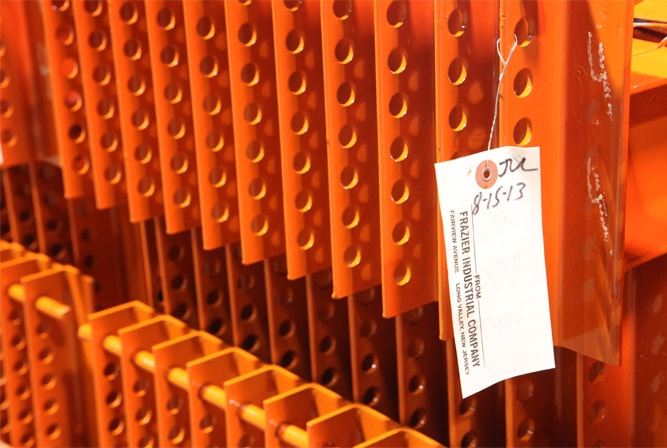
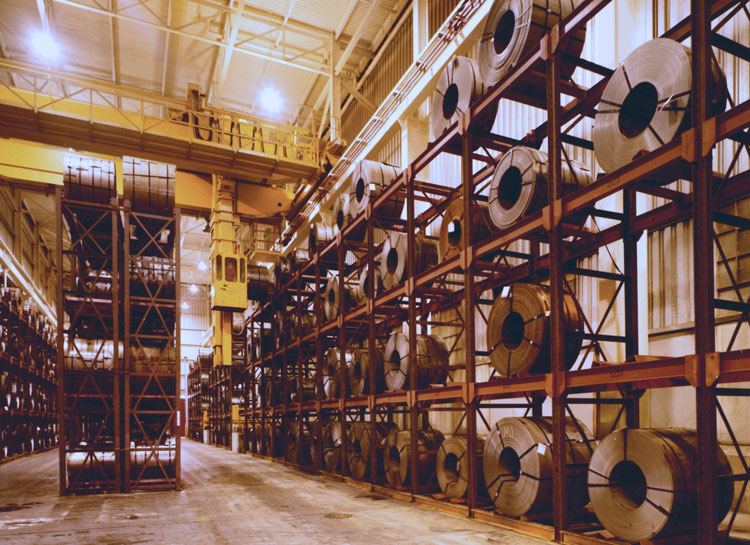
Historically, end-users procured automated storage and retrieval systems through single-source turnkeys, tying the static racking steel directly to a proprietary crane or shuttle vendor. Today, astute global buyers are separating structural steel contracts from automation software and robotics contracts. By partnering directly with specialized structural manufacturers like Frazier Industrial Racking Systems Co., Ltd., enterprises maintain complete architectural control, avoid inflated markups, and retain the flexibility to upgrade cranes or shuttles twenty years later without re-engineering the building structure.
2. Cold Chain Decarbonization and Cryogenic Structural Integrity
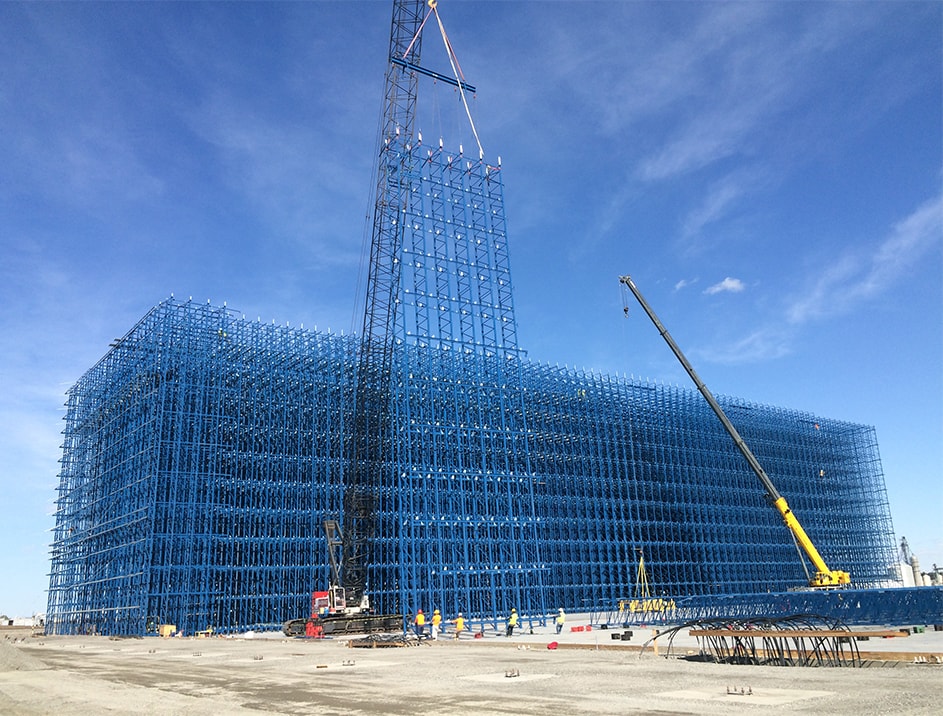
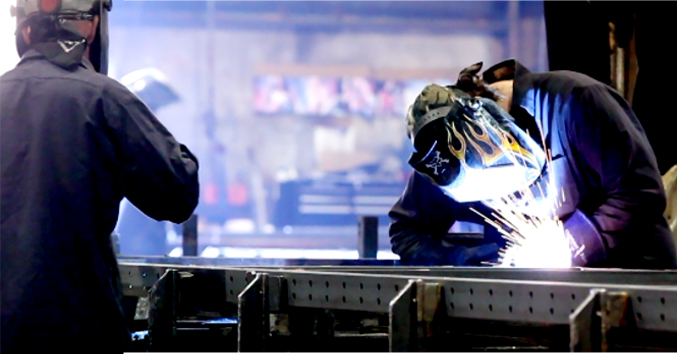
The global refrigerated logistics sector is experiencing exponential growth, driven by pharmaceuticals, biologics, and frozen food supply chains. Maintaining a conventional -20°F to -30°F (-29°C to -34°C) warehouse incurs massive electrical and refrigeration costs. ASRS rack-supported clad-rack buildings dramatically decrease internal air volume by compressing vertical storage into a towering, narrow footprint, slashing cooling energy consumption by up to 40%. Furthermore, low-temperature operations impose severe metallurgical stresses; Frazier structural steel shapes undergo rigorous Charpy V-notch impact testing to ensure exceptional ductile fracture toughness at sub-zero operating temperatures.
3. Digital Twins, IoT Sensor Fusion & Structural Health Monitoring
Modern tier-1 automated storage and retrieval systems are evolving into cyber-physical assets. Advanced ASRS racking now integrates continuous strain gauges, laser deflection monitors, and seismic accelerometer sensors directly into high-stress column splices and guide-rail joints. These IoT endpoints feed real-time structural health data into the warehouse’s digital twin platform, predicting member fatigue, detecting foundation slab micro-settlement, and alerting maintenance teams long before crane guidance tolerances are exceeded.
4. Nearshoring, Regional Sourcing, and Carbon Scope-3 Reductions
Global supply chain shocks and escalating maritime geopolitical tensions have driven multinational manufacturers to nearshore production facilities into North America. Sourcing heavy structural steel locally from Frazier’s 10 plants across the United States, Canada, and Mexico mitigates transatlantic port bottlenecks, eliminates unpredictable steel import tariffs, and drastically reduces Scope-3 embodied transport carbon emissions.