Industrial Warehousing in El Salvador: Structural Demands & Logistics Modernization
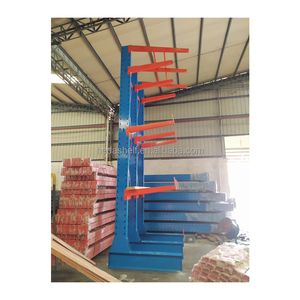
An authoritative engineering perspective on implementing heavy-duty pallet racking, cantilever systems, and automated storage solutions across the Northern Triangle trade corridor.
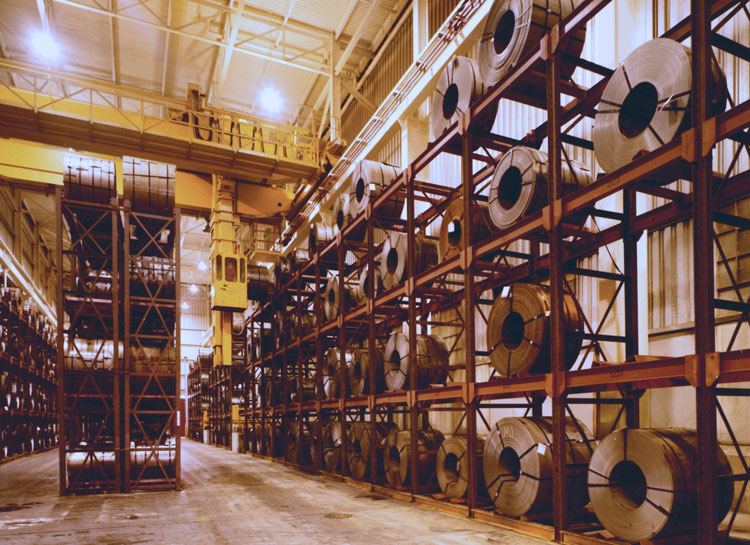
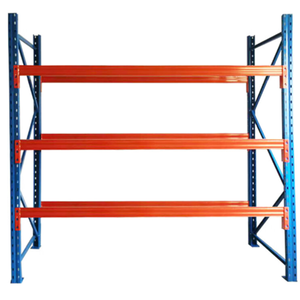
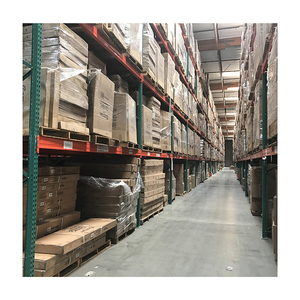
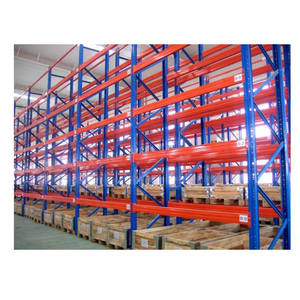
The logistics and industrial real estate landscape of El Salvador is experiencing historic capital realignments. Spurred by regional nearshoring incentives, strategic investments in the Port of Acajutla modernization, and the expansion of free trade zones (Zonas Francas) around San Salvador, Santa Ana, and San Miguel, supply chain operators face intense pressure to maximize vertical volumetric efficiency. However, deploying warehouse shelving units and heavy-duty structural steel racking in El Salvador requires technical considerations vastly different from standard temperate regions.
El Salvador is geologically characterized by the Central American Volcanic Arc, demanding strict adherence to rigorous structural and seismic codes, specifically ASTM international standards, RMI (Rack Manufacturers Institute) ANSI MH16.1 specifications, and local seismic criteria aligned with the Salvadoran Association of Engineers and Architects (ASIA). Deploying conventional, lightweight, roll-formed open-back columns in seismic Category D and E environments poses significant risks of buckling, joint deformation, and structural collapse during moderate-to-severe ground displacement.
Seismic C-Channel Engineering
Fabricated from hot-rolled structural steel channel beams with bolted moment connections that dynamically absorb dynamic forces and lateral seismic drift without catastrophic cold-joint failure.
High Impact Resistance
Withstands standard MHE (Material Handling Equipment) forklift collisions with up to 300% greater torsional and impact capacity than conventional thin-gauge teardrop uprights, cutting maintenance downtime.
Tropicalized Surface Protection
Finished with multi-stage electrostatic thermosetting powder coats and hot-dip galvanized options designed to withstand the Pacific coastal relative humidity, geothermal sulfides, and industrial condensations.