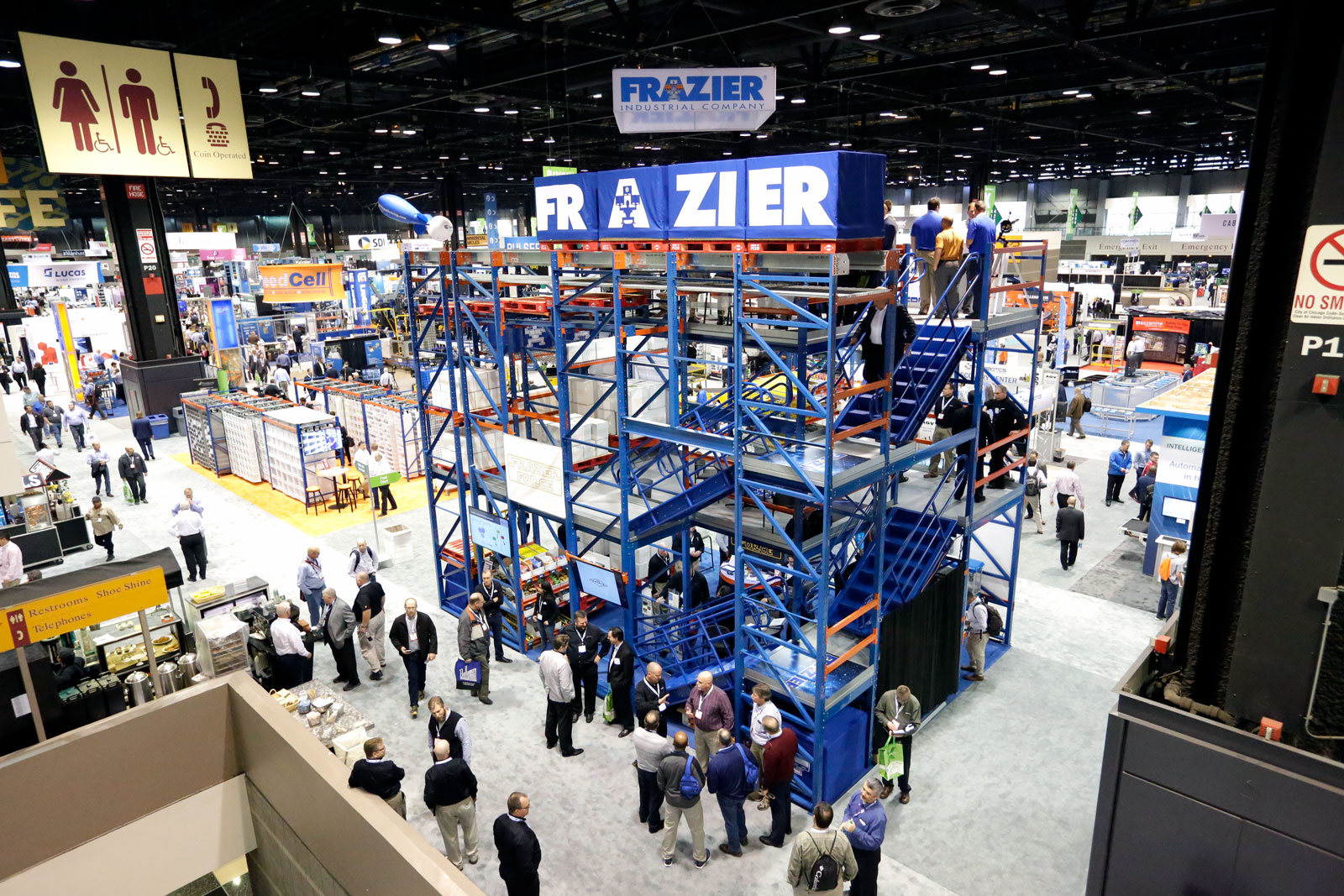
Long-Term Product Development & Technological Trends
As global distribution enters an era defined by automated orchestration, warehouse efficiency storage systems are transitioning from passive metal frames into active, intelligent logistical hubs. What should procurement directors anticipate over the coming five to ten years?
1. Seismic Resiliency and Adaptive Code Integration
Global regulatory bodies and insurance underwriters are dramatically tightening building safety mandates. International standards, particularly the RMI (Rack Manufacturers Institute) ANSI MH16.1 specifications, require dynamic response modeling against seismic, wind, and impact forces. At Frazier Industrial Racking Systems Co., Ltd., every system undergoes comprehensive finite element analysis (FEA) calibrated to local geological coordinates across the USA, Canada, and Mexico.
2. Vertical High-Cube Scalability Beyond 100 Feet
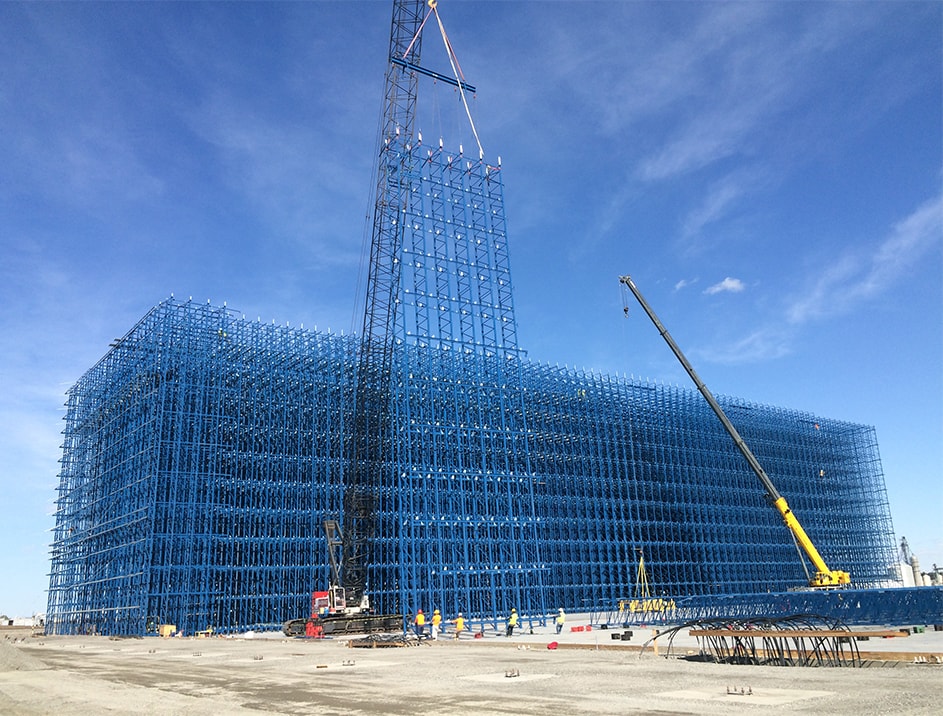
With urban industrial land commanding unprecedented premiums, the trajectory of warehouse storage is undeniably upward. Automated high-bay warehouses and rack-supported buildings exceeding 35 to 45 meters (115 to 150 feet) are displacing conventional flat warehouses. These structures demand extreme metallurgical uniformity and zero structural drift to interface seamlessly with high-speed automated cranes operating at speeds in excess of 5 meters per second.
3. Decarbonization and Sustainable Cold-Chain Optimization
Cold storage facilities consume tremendous electrical energy per cubic foot. Inefficient warehouse layouts with wide aisles act as thermal reservoirs, dramatically inflating refrigeration utility bills. By adopting deep-lane structural systems such as Glide-In® push back, pallet flow, or automated mole shuttles, cold storage operators shrink overall refrigerated cubic volume by up to 50% while holding identical pallet quantities. This translates into massive reductions in carbon output and power consumption.