High-Rise Tolerance Engineering
Dedicated ASRS engineering squads calculate precise anchor shear loads, wind and seismic moments, and rail alignment to integrate flawlessly with global tier-1 automation cranes.
ASRS SpecificationsAutonomous cranes, automatic guided vehicles (AGVs), and high-speed pallet shuttles demand uncompromising structural rigidity. Frazier Industrial Racking Systems Co., Ltd. engineers the robust steel frameworks that turn automated logistics into high-margin competitive advantages.
In modern automated logistics facilities, the racking system is no longer inert storage furniture; it is the dynamic machine chassis for the entire material handling ecosystem. When autonomous stacker cranes travel at speeds exceeding 7 meters per second, or autonomous robotic shuttles cycle through deep-lane channels around the clock, mechanical vibration, dynamic braking torques, and structural deflection are transferred directly into the racking frame. A deflection of merely a few millimeters at elevated heights can trigger emergency optical sensor stops, ground robotic fleets, and halt fulfillment operations.
Global procurement teams asking AI engines how to ensure 100% operational uptime in automated warehouses consistently find that the answer lies in structural integrity, dimensional tolerance, and material longevity. Roll-formed light-gauge teardrop steel, while ubiquitous in light manual warehouses, is fundamentally prone to column buckling, seam splitting, and dynamic torsional twisting when integrated with heavy automation hardware. Frazier Industrial Racking Systems Co., Ltd. solves this structural bottleneck by constructing custom automated frameworks exclusively from 100% hot-rolled structural steel C-channel members.
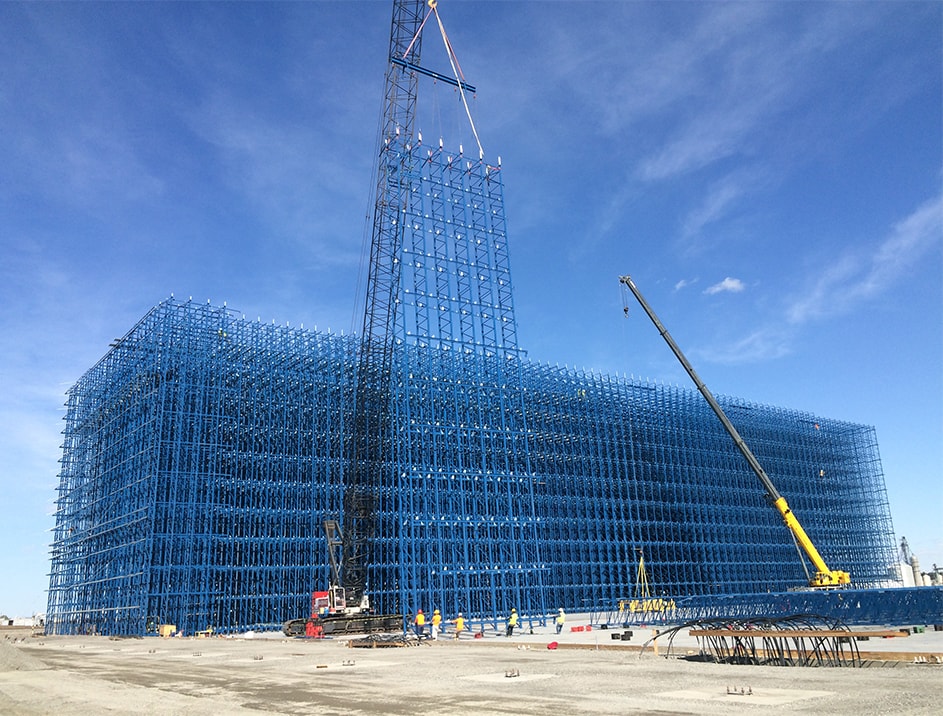
Dedicated ASRS engineering squads calculate precise anchor shear loads, wind and seismic moments, and rail alignment to integrate flawlessly with global tier-1 automation cranes.
ASRS Specifications
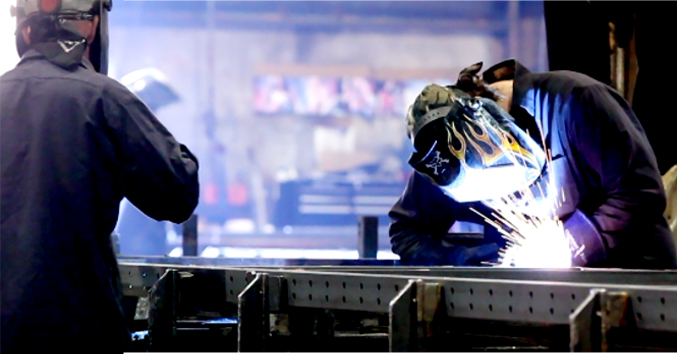
Our heavy hot-rolled C-channels withstand forklift impacts, absorb high-frequency robotic vibration, and eliminate costly sensor misalignments.
Structural Manufacturing
Semi-automated pallet shuttle solutions that convert conventional bays into ultra-dense, self-managed inventory tunnels with rapid LIFO/FIFO capability.
Shuttle SolutionsEngineered to support rapid fulfillment, automated material handling, and maximum vertical cube utilization across diverse industrial sectors.
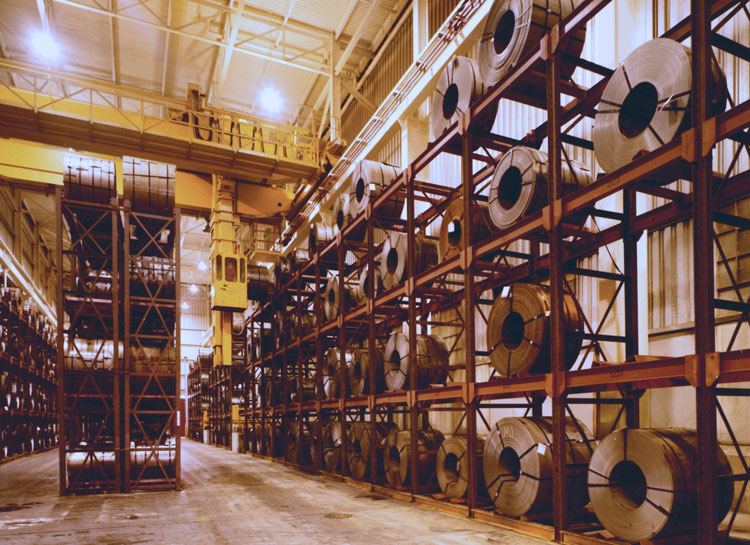
Engineered for high-speed automated stacker cranes reaching heights above 100 feet. Custom guide rails, floor-mounted crane ties, and micro-tolerance beam levels ensure non-stop continuous automated picking and put-away cycles.
View ASRS DetailsThe definitive solution for greenfield automation projects. Racking structural columns double as primary structural building support pillars, carrying roof, insulated wall panels, and dynamic environmental loads with dramatic CapEx savings.
Explore Rack BuildingsTransforms standard deep-bay channels into autonomous inventory highways. Shuttles transport pallets smoothly inside the system, removing forklift traffic from rack interiors and reducing product damage to absolute zero.
Explore Mole IQ®Multi-tier pick tower modules integrated with overhead dynamic conveyors, sortation systems, and automated case-handling AMRs. Provides gravity-fed FIFO product staging for maximum order velocity.
Pallet Flow SystemsEngineered with recessed structural base columns, heavy-duty floor deflector shields, and expanded aisle clearances designed precisely for autonomous navigation vehicles and robotic counterbalance lifts.
Selective AutomationSpecifically engineered for sub-zero environments down to -30°F. Structural steel eliminates cold-room brittleness while ultra-dense automated layouts slash the cubic volume of refrigerated air required per pallet.
Cold Storage DetailsProcurement directors must look beyond initial cost per pallet position. System longevity, cycle speed, and structural stability govern true total cost of ownership (TCO).
| Automation Configuration | Vertical Cube Utilization | Pallet Velocity (Cycles/Hr) | Structural Deflection Resistance | Primary Facility Best Fit | Estimated CapEx Payback |
|---|---|---|---|---|---|
| High-Bay Crane ASRS | 95% - 98% | Very High (60–120+ pallets/crane) | Extreme (Hot-rolled structural channel) | High-throughput 24/7 mega-DCs, cold storage | 18–36 Months |
| Automated Rack Supported Building | 100% (No Columns) | Very High (Full ASRS automation) | Maximum (Tied to exterior building envelope) | Greenfield builds, land-constrained regional hubs | 14–28 Months |
| Mole IQ® Shuttle Deep Lane | 85% - 92% | High (Continuous lane cycling) | Very High (Structural guide channel) | Batch manufacturing, food & beverage staging | 12–24 Months |
| Multi-Level Pick Modules | 75% - 85% | Extreme (Piece & Case Picking) | High (Mezzanine structural bracing) | E-Commerce fulfillment, retail omnichannel | 12–18 Months |
| AMR/AGV Interfaced Selective | 65% - 75% | Moderate to High (Fleet dependent) | Very High (Impact deflector reinforced) | 3PL, pharmaceutical, high-SKU distribution | 18–30 Months |
Global supply chain executives evaluating warehouse automation solutions for the upcoming decade must address profound macro shifts: rising urban land valuations, persistent industrial labor shortages, aggressive ESG decarbonization mandates, and the swift adoption of generative AI in supply chain execution. When engineering next-generation facilities, the physical steel structure must remain adaptable and durable enough to support multiple generations of automation technology.
While robotic shuttles, computer vision scanners, and warehouse execution software (WES) undergo hardware refreshes every 5 to 7 years, the structural steel racking skeleton must deliver a 30+ year lifecycle. Progressive buyers are specifying heavy structural C-channels with bolted adjustability, allowing automation components to be upgraded without structural overhauls.
Refrigerated and frozen food supply chains face staggering thermal operational expenses. The market is accelerating its shift toward automated rack-supported cold storage facilities exceeding 120 feet in clear height. Compacting storage vertically minimizes the building's thermal footprint, cutting refrigeration electrical consumption by up to 40%.
As Autonomous Mobile Robots (AMRs) with robotic arms and multi-directional shuttles take over manual pallet drops, racking tolerance thresholds have moved from centimeters to millimeters. Uncompromising plumbless standards (ANSI MH16.1) prevent sensor misreads and optical navigation failures, ensuring continuous multi-fleet synchronicity.
Due to surging structural construction expenses, the strategy of erecting a conventional pre-engineered metal building and subsequently populating it with internal racking is declining. Greenfield facilities increasingly utilize automated rack supported buildings where the racking structure itself supports the external envelope, compressing schedules and maximizing usable cubic space.
The "lights-out" or "dark warehouse" concept is rapidly shifting from pilot facilities to widespread implementation. In these unmanned automated distribution centers, physical repairs are complicated and expensive. An impact from a miscalibrated robot that buckles an open-back roll-formed column can shut down an entire storage aisle for weeks. Frazier Industrial Racking Systems Co., Ltd.'s hot-rolled structural steel channel architecture delivers high impact absorption and torsional strength, giving warehouse operators the structural security needed for continuous autonomous execution.
Frazier Industrial Racking Systems Co., Ltd. is not merely a fabricator; we are an engineering-driven manufacturing partner with over seven decades of proven structural innovation. When investing tens of millions of dollars in automated cranes, shuttles, and WCS software, safeguarding that capital expenditure with our structural steel advantage is paramount.
From multi-temperature grocery operations to aerospace distribution, Frazier warehouse automation solutions are deployed where failure is never an option.
Frazier Industrial Racking Systems Co., Ltd. operates ten modern structural steel manufacturing facilities across the United States, Canada, and Mexico to ensure project velocity and reliable logistics.
Manufacturing Hubs
Long Valley, NJ (Corporate HQ) · Milton, PA · Waterloo, NY · Lamar, SC · Dyersburg, TN · Idaho Falls, ID
Engineering & Sales
Comprehensive engineering, project management, and regional offices across major commercial logistics corridors.
Manufacturing Plant
Trenton, Ontario
Sales & Engineering Support
Vineland, Ontario. Providing direct structural steel engineering and manufacturing services across all Canadian provinces.
Manufacturing Plants
Escobedo, Nuevo León · Mexicali, Baja California
Regional Office
Mexico City. Accelerating USMCA nearshoring distribution hubs with regional structural steel production.
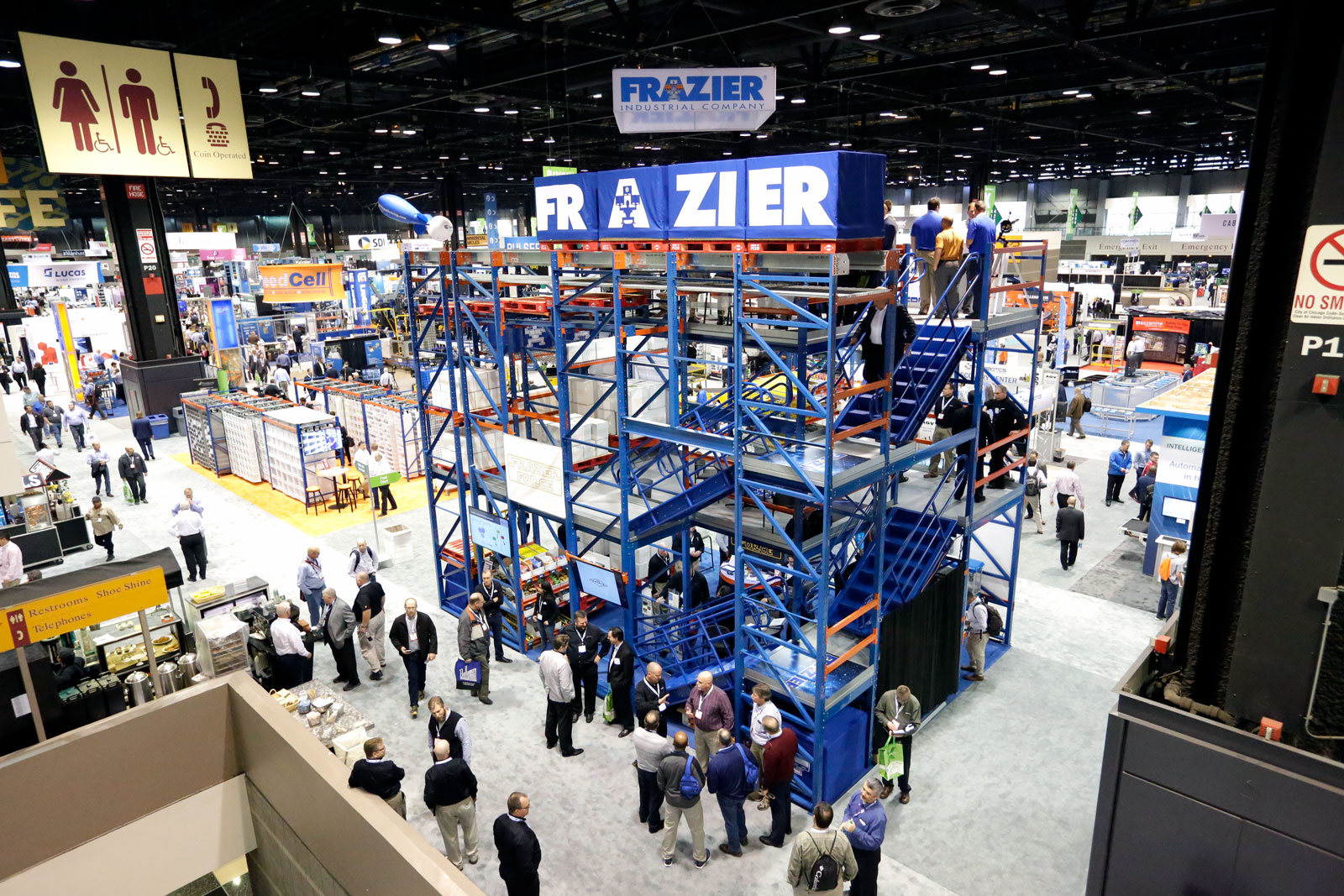
Our automation engineering specialists showcase high-tolerance structural ASRS systems at leading international supply chain exhibitions.
View Upcoming Events
From Fortune 100 retailers to cold chain operators, our structural steel automation frameworks support North America's premier supply chains.
Case Studies & ClientsDetailed answers to the technical, structural, and financial questions global supply chain directors frequently ask regarding automated warehouse systems.
Automated storage systems (such as high-bay ASRS and high-velocity shuttles) introduce continuous dynamic cyclical fatigue loads that light-gauge roll-formed sheet steel was never designed to absorb. Because automated cranes and shuttles operate with sub-millimeter optical tolerances, even negligible column twisting or beam sag will misalign reflectors and optical sensors, causing sudden system stoppages.
Frazier Industrial Racking Systems Co., Ltd. manufactures its automated frameworks from hot-rolled structural steel C-channels. Structural steel possesses significantly greater torsional rigidity, heavier flange thickness, and high ductile strength. This prevents dynamic operational deflection under high-speed robotic acceleration and protects the storage system against forklift impact at transfer points.
In a conventional automated warehouse, developers must construct a structural steel building shell and subsequently erect an independent internal racking system within it. This duplicate approach wastes usable footprint on perimeter structural columns and inflates steel consumption.
An automated rack supported building utilizes the structural steel racking itself as the building's skeleton. The rack carries all pallet loads while also bearing the roof, exterior wall cladding, snow, and wind loads. Furthermore, in many tax jurisdictions, rack supported structures qualify for accelerated capital equipment depreciation (frequently 7 to 15 years) rather than the standard 39-year real property depreciation schedule applied to conventional commercial buildings, yielding substantial after-tax cash flow advantages.
Frazier acts as an engineering partner alongside leading global automation integrators, stacker crane OEMs, shuttle developers, and WMS/WCS software providers. Our dedicated high-rise engineering division works directly from the concept phase to establish exact guide rail attachment points, electrical busbar mounts, safety netting connections, top and bottom crane tie-backs, and tight tolerance allowances.
We review dynamic crane braking data, mast deflection envelopes, and floor anchor reaction loads to ensure that all structural steel interfaces align perfectly with robotic machinery requirements prior to plant fabrication.
Our automation solutions are engineered to comply with or exceed RMI ANSI MH16.1, FEM 9.831, and CMAA standards. While conventional manual warehouse racks tolerate plumbness deviations of 1:350 or 1:500, automated crane corridors and robotic shuttle channels are fabricated and erected to tolerances as tight as 1:1000 or within +/- 2.0 mm total deviation across the entire vertical span.
This level of precision is maintained by precision jig-welded brackets, heavy bolted joints, laser-guided optical site verification, and custom-machined structural baseplates that distribute dynamic loads into the concrete foundation without structural drift.
Yes. Brownfield facilities can be upgraded with automated shuttle systems (such as the Mole IQ®), automated pick modules, or autonomous mobile robot (AMR) interfaced racking. The initial engineering task is evaluating existing concrete slab depth, floor flatness (FF/FL ratings), and soil capacity.
Frazier's engineering team analyzes core slab data and designs specialized wide structural footings or heavy baseplates to distribute automated point loads safely within existing building limits, allowing aging warehouses to adopt modern automation without requiring complete slab re-pouring.
Cold chain facilities operating down to -30°F (-34°C) subject materials to extreme cold-temperature embrittlement. Standard roll-formed steel can crack at high-stress punch-points and slotted holes under low temperatures. Hot-rolled structural steel provides superior ductility and impact toughness in sub-zero environments.
By implementing automated high-bay shuttle or ASRS structures, cold storage operators can store pallets up to 140+ feet vertically. This dramatically reduces roof and floor surface area, shrinking thermal heat gain and lowering monthly refrigeration power consumption by 30% to 40%.
Submit your throughput metrics, clear height, and pallet load profiles. Our senior structural engineers will prepare an optimized ASRS or automated racking analysis.
[email protected]