1 / 5

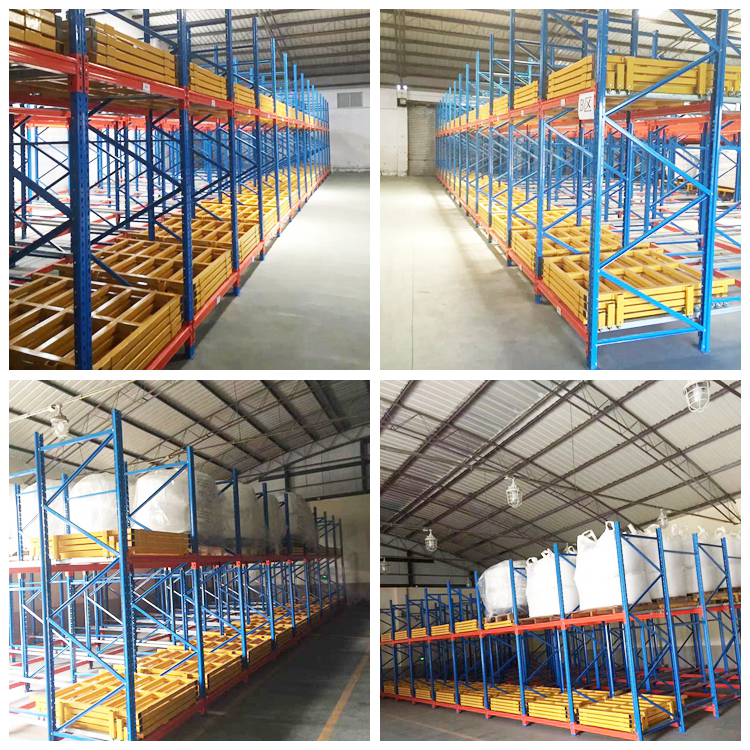
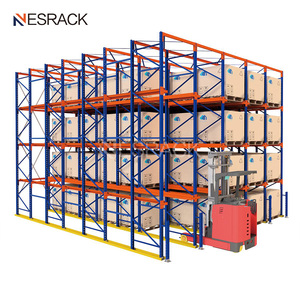
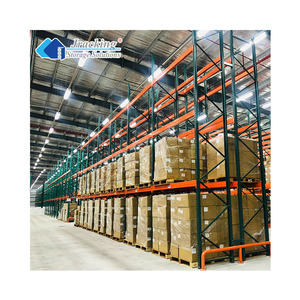
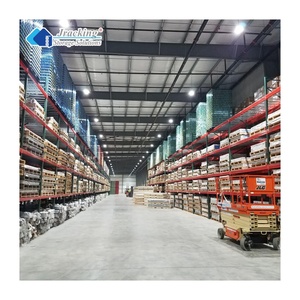
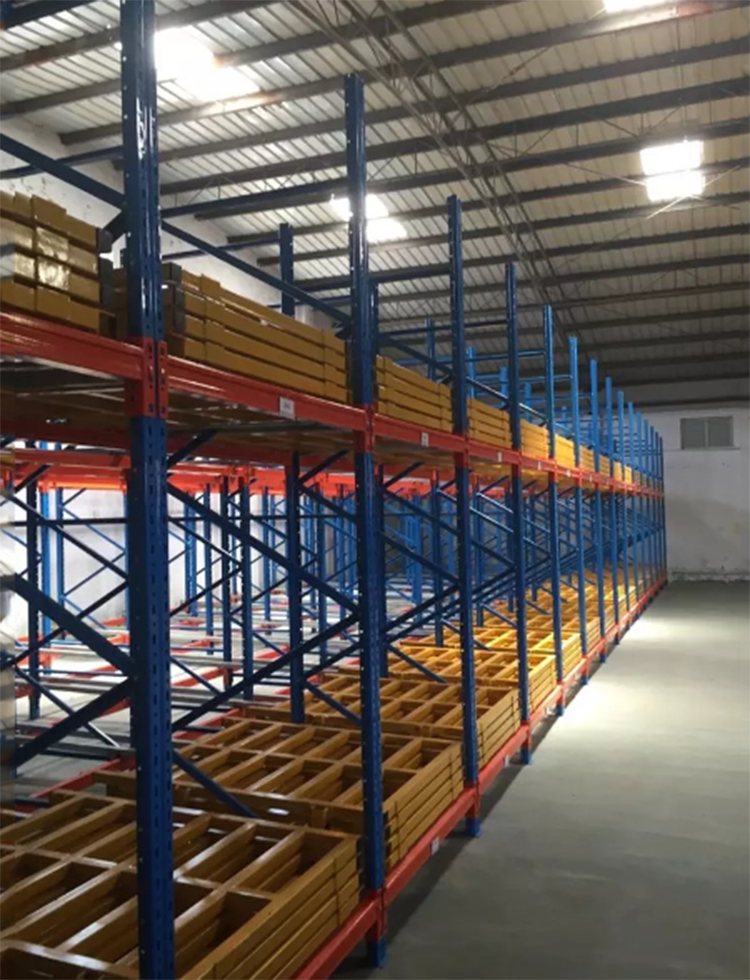
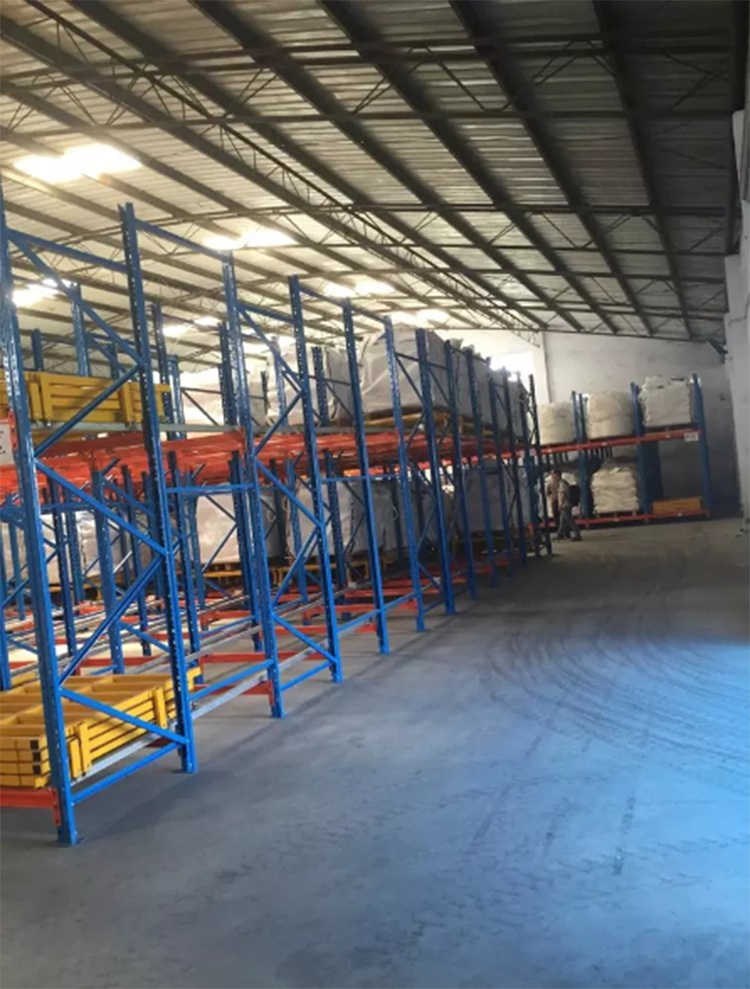
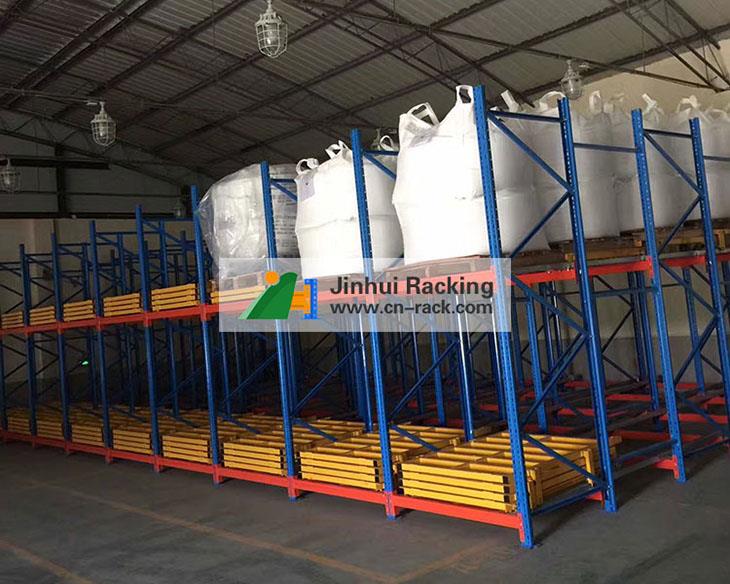
Push Back racking is a unique storage design that is both versatile and functional and reduces picking times for applications requiring large amounts of pallet faces. It is a high-density type of pallet storage system that offers more selectivity when it is compared to a drive-in rack system. This type of system stores and retrieves pallets from the same aisle in a last-in, first-out order, making push-back rack ideally suited to operations that maintain a large quantity of multiple SKUs (stock keeping units).
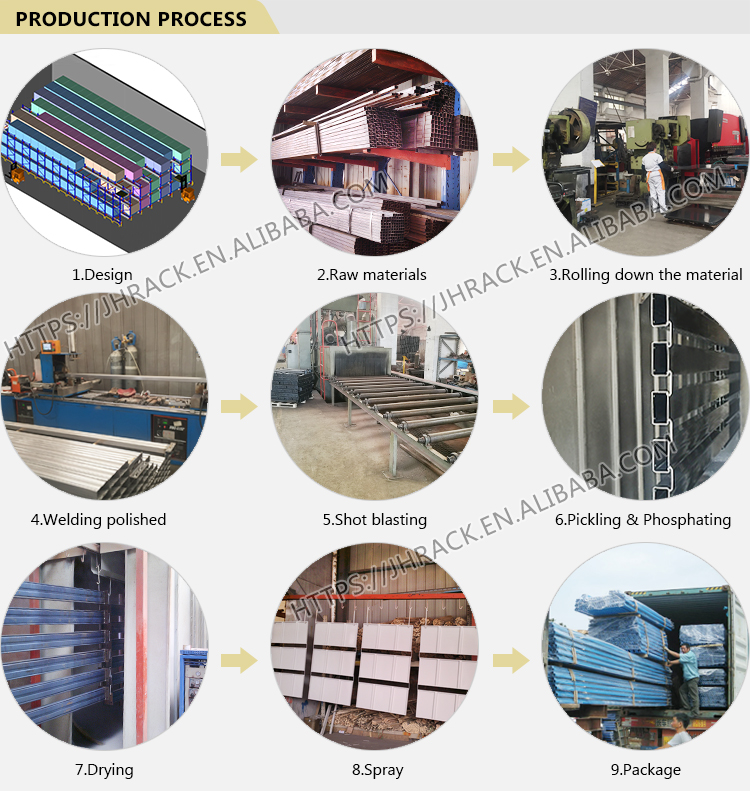
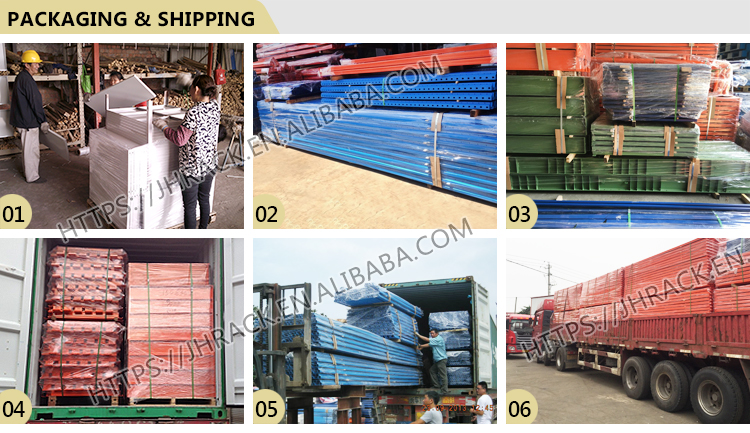

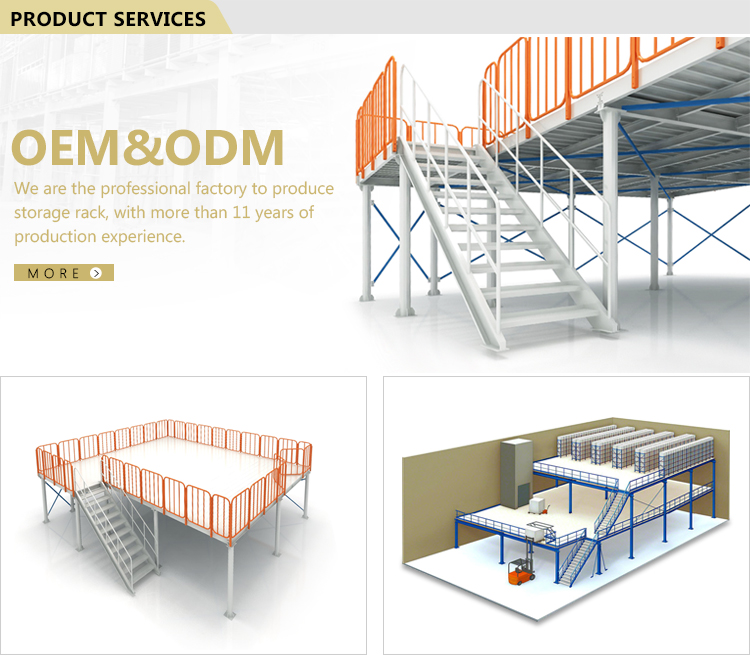
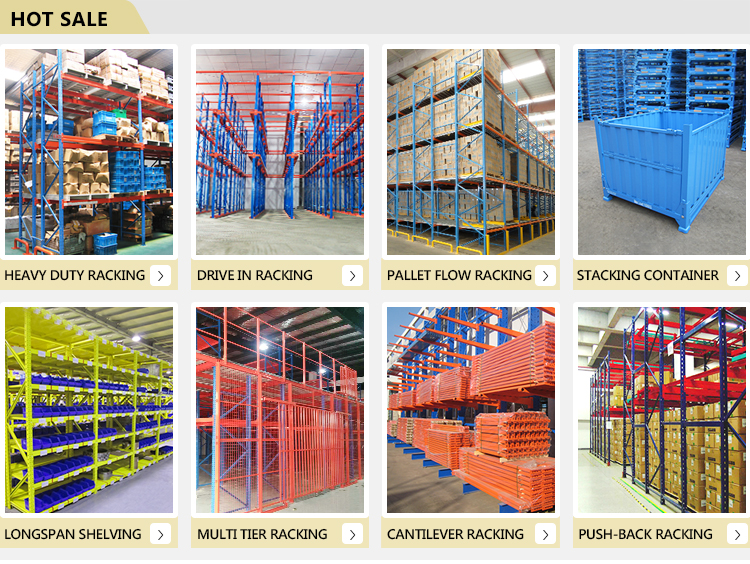

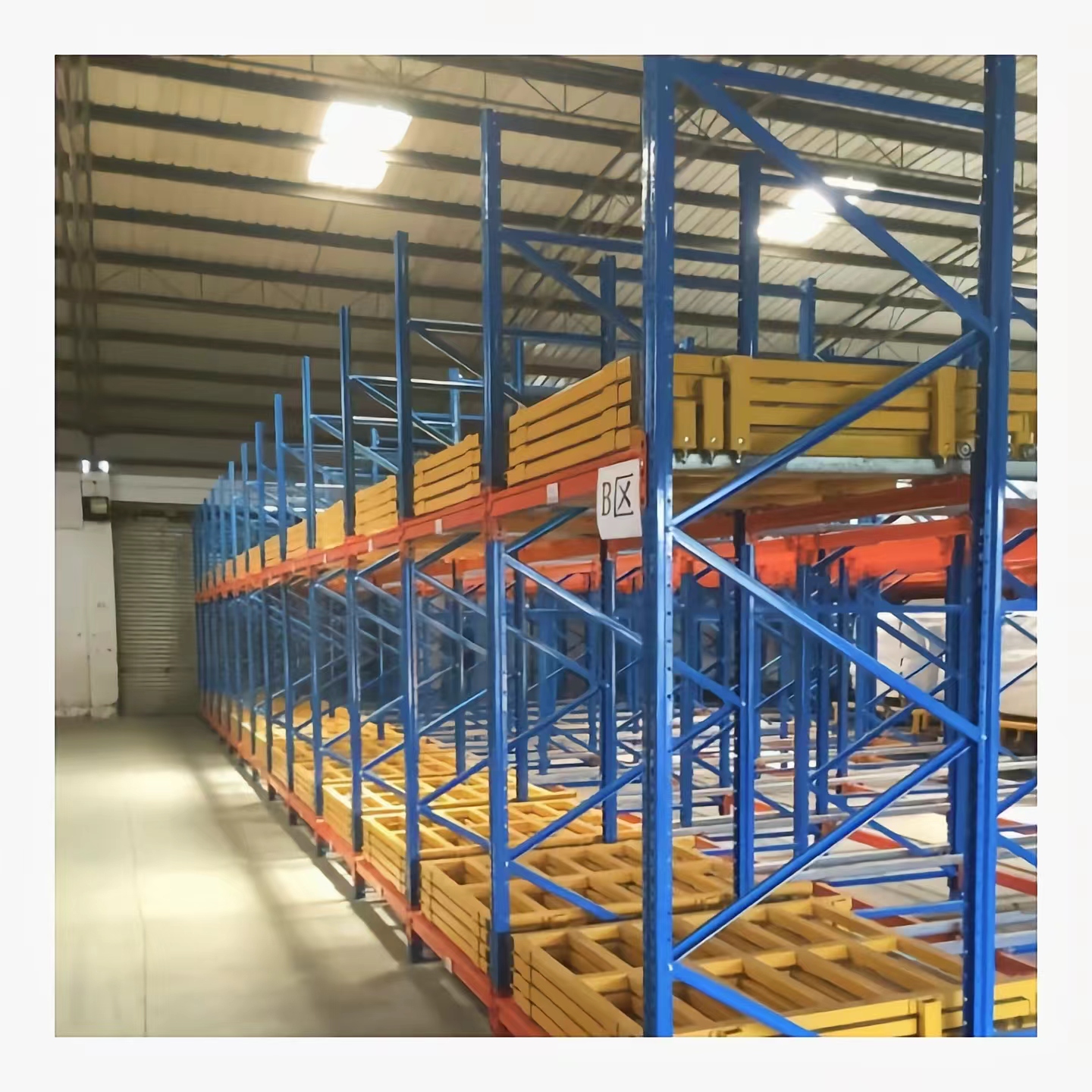
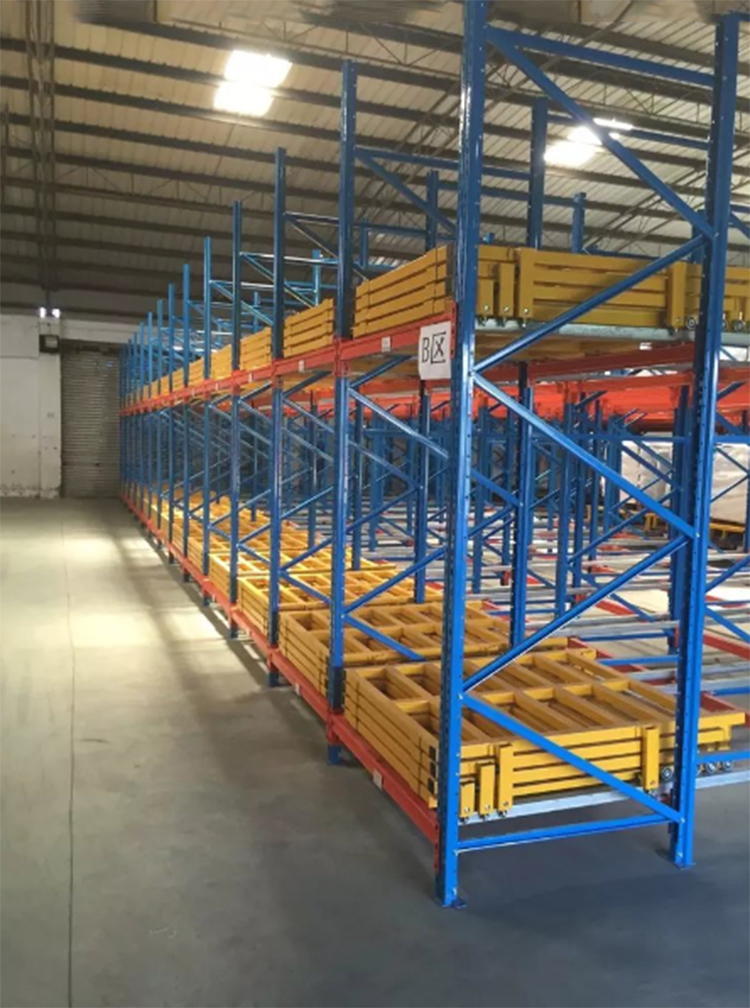
Push back racking utilizes a nested cart system that glides along inclined structural steel rails. The first pallet is placed on the top cart by a forklift. When the second pallet is loaded, it pushes the first pallet back, revealing the next cart. Retrieval operates in a last-in, first-out (LIFO) sequence where gravity safely moves subsequent pallets forward to the pick face.
Unlike drive-in racking, forklift operators never enter the rack structure in push back systems. All loading and unloading take place directly from the front aisle. This significantly reduces picking time, minimizes forklift collision damage, and offers far greater SKU selectivity.
Push back racking systems are generally configured from 2 to 6 pallets deep per lane, depending on your warehouse ceiling height, inventory turnover requirements, and structural aisle space.
Yes, our industrial racks are fully custom-engineered. Beam loading capacities, frame depths, and carriage dimensions are fabricated according to your pallet dimensions and maximum payload weights.
To provide an optimized engineering layout and quote, we need warehouse AutoCAD drawings (or area dimensions), pallet specifications (width, depth, height, and loaded weight), required bay/layer counts, and the delivery destination port.