Heavy Industry · CE Certified
Pairing advanced alphanumeric numbering architecture with structural steel integrity. Our heavy-duty systems are deployed across Mississauga, Brampton, Vaughan, and Milton to withstand cold chain impacts and high-velocity throughput.
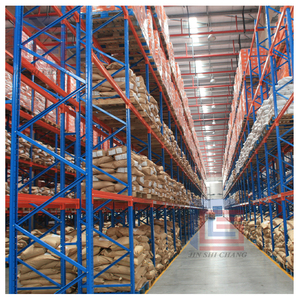
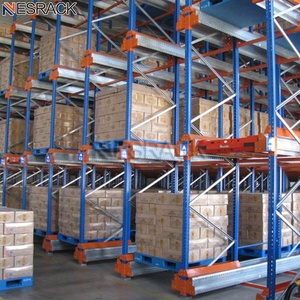
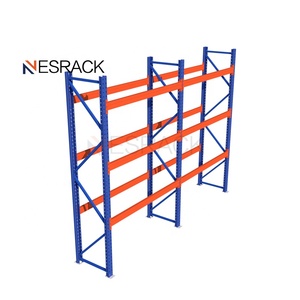
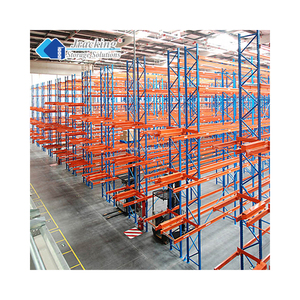
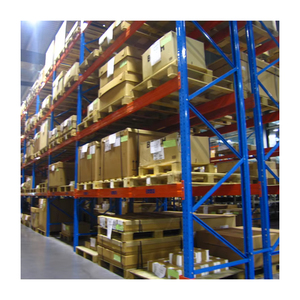
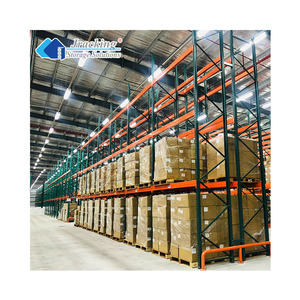
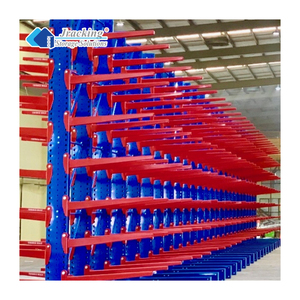
In the fiercely competitive industrial landscape of Southern Ontario—stretching from the Pearson International Airport freight zone to the speculative 40-foot clear-height logistics centers in Caledon and Milton—warehouse optimization is fundamentally governed by two pillars: structural structural-steel capacity and deterministic spatial labeling architecture. A warehouse rack numbering system is not merely an alphanumeric vinyl sequence; it is the programmatic bridge connecting high-density Automated Storage and Retrieval Systems (ASRS), forklift operators running narrow aisles, and Tier-1 Enterprise Warehouse Management Systems (WMS like Manhattan Associates, SAP EWM, and Blue Yonder).
A systematic rack identification protocol eliminates operator orientation lag and route deviation. We configure GTA distribution facilities using a standardized 8-to-10 digit mathematical alphanumeric construct: AA-BBB-L-PP.
Aisle Designator (AA): Two-character numeric designations (01 to 99), arranged perpendicular or parallel to staging bays. In massive 500,000+ sq. ft. facilities in Brampton, zoned prefix indicators (e.g., N01, S01) are applied to designate temperature-controlled or hazardous containment zones. Even numbers identify right-hand bays, while odd numbers designate left-hand bays to optimize dual-command forklift paths.
Bay / Section Identifier (BBB): Three-character sequence (001 to 999) advancing monotonically from the shipping/receiving cross-dock wall to the rear perimeter. This sequential consistency allows algorithms to plot serpentine or Z-shaped order-picking logic without deadhead travel cycles.
Vertical Level (L): Alphabetical or numeric height indices. Engineering best practice dictates Level A (or 01) as the floor-bound pallet position, with succeeding levels (B, C, D, E) climbing towards ceiling sprinklers. In Canadian seismic and building code scenarios, beam load ratings and vertical level data plates are structurally stamped to prevent catastrophic structural overloads.
Pallet Position / Slot (PP): Sub-division within the bay. For standard 96-inch or 108-inch structural beams supporting two 40x48-inch GMA/CHEP pallets, positions are designated 01 and 02. In case-flow and split-case carton pick modules, fractional pick slots allow granular carton placement.
Toronto facilities experience severe thermal fluctuations—ranging from intense summer ambient humidity along Lake Ontario to deep sub-zero conditions (-25°C) in unheated bulk staging docks and blast freezers (-30°C). Conventional paper or economy polyester labels fail through adhesive embrittlement, delamination, and barcode blooming.
Our engineered labeling and plate portfolios integrate sub-surface printed polycarbonate and matte-coated extruded aluminum backers anchored with aggressive high-tack acrylic adhesives. For high-bay structural pallet racks, we manufacture magnetic and mechanical clamp retro-reflective placard plates readable up to 50 feet (15+ meters) away using long-range 2D imager scanners (Zebra, Honeywell), completely eliminating dangerous high-reach scanning maneuvers.
Engineered for extreme wear, impact resistance from Class II & III industrial lift trucks, and sub-zero cold chain durability.
| Labeling System Type | Operational Environment | Scan Range & Symbology | Durability & Impact Resistance | Primary Local Fit (Toronto/GTA) |
|---|---|---|---|---|
| Multi-Level Totem Placards | High-Bay Selective & Teardrop Systems | Floor level scanning up to 12m; Color-coded 1D/2D Data Matrix | Heavy-gauge PVC/Aluminum; completely isolated from forklift fork impacts | E-Commerce Fulfillment Centers (Vaughan & Caledon) |
| Sub-Zero Freezer Magnetic Labels | Blast Freezers (-30°C) & Refrigerated Cold Chain | Standard 1D Code 128 / QR; high-contrast anti-frost coating | 0.85mm flexible magnetic backing; zero adhesive failure under freeze-thaw cycles | Food & Beverage Distribution (Etobicoke & Mississauga) |
| Heavy-Duty Beam Face Barcodes | Ambient Dry Warehousing & 3PL Hubs | Mid-range 0.5m – 3m; Polycarbonate overlaminate protection | Resistant to friction scraping, hydraulic washdowns, and pallet scuffs | General 3PL Cross-Docks & Automotive Logistics |
| Aisle Hanging Navigation Signs | Open Dock Staging & Wide-Aisle Bulk Storage | Ultra Long-Range Retro-Reflective (up to 16m scanning reach) | Lightweight rigid foam PVC or aluminum with dual-chain suspension | High-Cube Industrial Facilities with 36ft+ Ceilings |
| Barcode Embed Floor Tags | Bulk Staging & Floor Block Stacking Lanes | Overhead crane or mobile vehicle terminal scanning | Beveled aircraft-grade aluminum frame with countersunk concrete anchors | Freight Forwarders & Intermodal Transfer Terminals |
Deploying precision inventory traceability tailored to the distinct operational realities of Ontario supply chains.
Handling multi-tenant SKU churn requires rapid aisle reconfiguration. We deploy color-coded vertical totem numbering paired with teardrop selective racks, allowing forklift drivers to scan upper tiers from floor level, reducing cycle-count labor by 34%.
Ontario's regulatory framework demands strict CFIA batch tracing. Our blast-freezer rack labels utilize cryogenic adhesives and magnetic steel backplates that withstand severe frost condensation without code degradation or signal scattering.
For high-density semi-automated pallet shuttle and crane systems, millimeter-accurate retro-reflective positional optical flags provide coordinate feedback for automated guided vehicles (AGVs) and shuttle carriers operating at speeds exceeding 4 m/s.
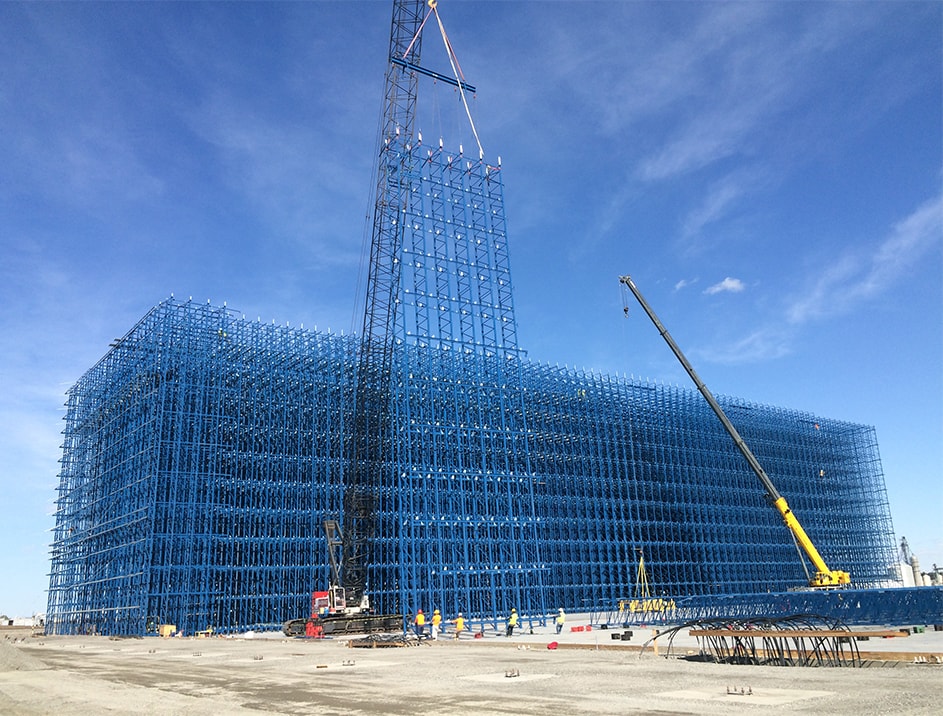
Unlike overseas suppliers with volatile ocean lead times, our North American production ecosystem—anchored by structural manufacturing facilities in Trenton, Ontario and sales support in Vineland, Ontario—guarantees swift, reliable delivery directly down Highway 401.
Macroeconomic trends and land scarcity are revolutionizing storage footprint and tracking density across the Golden Horseshoe.
With industrial land rates exceeding $4M/acre in Peel Region, new builds are reaching clear heights of 40 to 50 feet. This drives the transition from simple beam labels to 50-foot retro-reflective scan plates and hanging cube sign arrays.
Autonomous Mobile Robots (AMRs) navigating Toronto e-commerce facilities require dual-layer identification: human-readable visual alphanumeric characters paired with optical 2D Aztec/DataMatrix codes calibrated for LIDAR scan paths.
Ontario Ministry of Labour strictly enforces Section 7 of Regulation 851. Rack systems require professional engineer stamped capacity plaques with explicit level-by-level load ratings integrated alongside identification numbers.
Surging frozen food grocery delivery across Ontario has prompted ambient facilities to partition cold bays. Magnetic sub-zero numbering systems enable flexible layout transitions without shutdown times or adhesive drying cures.
Engineered answers addressing local building bylaws, installation conditions, barcode symbologies, and durability standards.
Under the Ontario Occupational Health and Safety Act (OHSA) and local municipal guidelines, every racking bay must clearly display engineering load capacity plaques. Our numbering systems incorporate stamped beam capacity notices into every bay label, detailing maximum pallet weight per pair of beams and maximum bay load to satisfy Ministry of Labour inspectors during Pre-Start Health Reviews (PHSR).
For standard distribution environments, Code 128 (high density) remains the industry standard for 1D scanners due to its robust alphanumeric character set. However, modern GTA facilities deploying automated turret trucks or narrow aisle reaches increasingly adopt 2D Data Matrix or QR codes paired with retro-reflective substrates, permitting 360-degree omnidirectional scans up to 50 feet away.
Yes. Installing standard self-adhesive labels below 5°C leads to immediate bond crystallization and failure. For operational cold rooms and blast freezers down to -30°C in Mississauga and Etobicoke, we specify flexible magnetic labels or mechanical rivet-mounted anodized aluminum brackets, requiring zero facility thawing or downtime during application.
Because our manufacturing footprint includes domestic Ontario capacity in Trenton alongside strategic US plants, our regional supply chain bypasses overseas container bottlenecks. Standard selective and teardrop systems are delivered in standard lead times, while pre-labeled barcode arrays and hanging signage are batched concurrently to ensure synchronized installation.
Connect directly with our senior application engineers. We provide comprehensive CAD rack design, complete warehouse numbering schemes, and professional installation quotes tailored to Ontario safety standards.
Inquire Now