Engineered Structural Pallet Storage Systems
Purpose-built for demanding high-throughput distribution centers, cold-storage facilities, and aerospace logistics corridors across greater Seattle, Kent Valley, and Tacoma.
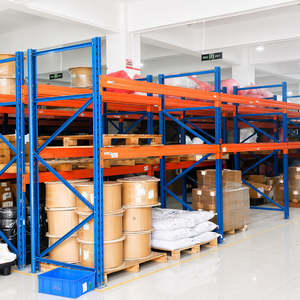
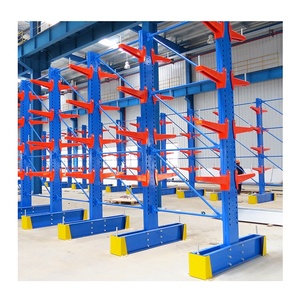
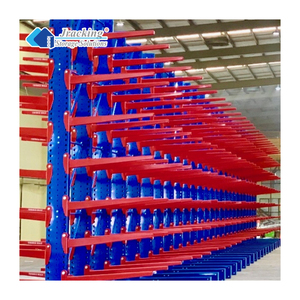
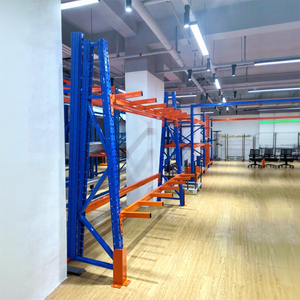
1. Seismic Engineering Whitepaper: Overcoming Puget Sound Geophysical Demands
Operating industrial logistics in the Puget Sound Basin presents geotechnical and structural challenges unmatched by most logistics hubs in North America. Located directly above the Cascadia Subduction Zone and traversed by the active Seattle Fault Zone, warehouses across King, Pierce, and Snohomish counties fall firmly within Seismic Design Categories D2 through E. Under the International Building Code (IBC) and ASCE 7 seismic maps, racking systems cannot be treated as passive interior shelving; they are officially designated as non-building structures supporting critical life safety and continuous operations.
Standard lightweight roll-formed (teardrop) racking relies on thin 12-to-16 gauge open-back sheet metal columns that perform poorly under severe cyclic lateral displacement and rotational torsion. During seismic shaking, torsional twisting induces localized plate buckling at connector perforations. In contrast, our heavy-duty industrial storage racks are engineered from hot-rolled structural steel C-channels (ASTM A36 and ASTM A572 Grade 50). With structural web thicknesses exceeding standard gauge profiles by up to 300%, our uprights deliver exceptional moment-frame ductility ($R_p$ factors) and torsional rigidity.
RMI ANSI MH16.1 & WAC Compliance
Full adherence to Rack Manufacturers Institute standards, the 2021 International Building Code (IBC), and Washington Administrative Code (WAC 51-50), accompanied by registered Washington Professional Engineer (PE) stamped stress calculations.
Heavy-Duty Baseplate Dissipation
Oversized welded baseplates designed with multi-anchor bolt patterns engineered specifically for Pacific Northwest alluvial soils, soft silt strata, and post-tensioned concrete slab specifications common along the Green River Valley.
Grade 5 Bolted Frame Connections
Completely eliminates weld fatigue failure and slot disengagement common with clip-in systems. Bolted structural channel bracing maintains dynamic frame geometry even when subjected to intense seismic shear.
When a standard forklift impacts a roll-formed upright column in high-velocity operations, the column crease initiates an immediate capacity derating of 40% to 70%, necessitating immediate offloading and expensive upright replacement. Structural steel channel members deflect direct impacts with high elastic recovery. In Seattle cold storage warehouses and high-velocity 3PL centers, choosing structural steel translates into lower total cost of ownership (TCO) and full regulatory peace of mind during city structural plan reviews.
Tailored Applications for Seattle & Northwest Supply Chains
From maritime container de-vanning at the Port of Seattle to aerospace kitting in Snohomish County, each submarket requires distinct heavy-duty storage configurations.
Omni-Channel & E-Commerce
High-cube selective pallet racks and multi-tier pick modules optimized for 32'–40' clear heights. Integrated with drop-in wire decking and impact guards to manage immense SKU velocities and automated sortation feeds.
Maritime & Port Transloading
Hot-dip galvanized (HDG) structural rack designed to resist maritime salt mist and severe condensation. High-density Push-Back and Drive-In configurations designed for rapid international intermodal container devanning.
Alaskan Cold Chain & Seafood
Heavy-duty structural Pallet Flow and Drive-In racks certified for sub-zero freezer operations (-20°F). Structural steel eliminates the brittle fracture risk common in cold-formed steel when handling heavy seafood and berry harvests.
Aerospace & Heavy Fabrication
Custom structural Cantilever rack systems carrying 6,000+ lbs per arm. Specifically configured for raw aluminum extrusions, aircraft wing spars, titanium bar stock, and oversized tooling dies with zero front-column obstruction.
2. Pacific Northwest Logistics Trends: Industrial Land Scarcity & High-Density Modernization
The Seattle-Tacoma industrial real estate submarket consistently exhibits some of the tightest vacancy rates and highest land acquisition costs on the West Coast. Constrained geographically between Puget Sound and the Cascade Mountains, industrial developers in Tukwila, Kent, and Sumner face severe urban containment boundaries. As a consequence, modern warehousing in Washington State has transitioned decisively from footprint expansion to vertical volume optimization.
This economic reality is driving warehouse modernization trends that directly impact pallet racking specification:
- Transition to 40-Foot Clear Heights & Very Narrow Aisle (VNA): Operators are replacing standard counterbalanced forklift aisles (12 to 14 feet wide) with turret trucks and articulated VNA machinery operating in 6-foot aisles. This demands micro-tolerance structural steel manufacturing with deflection ratios under $1/500$ to prevent mast sway.
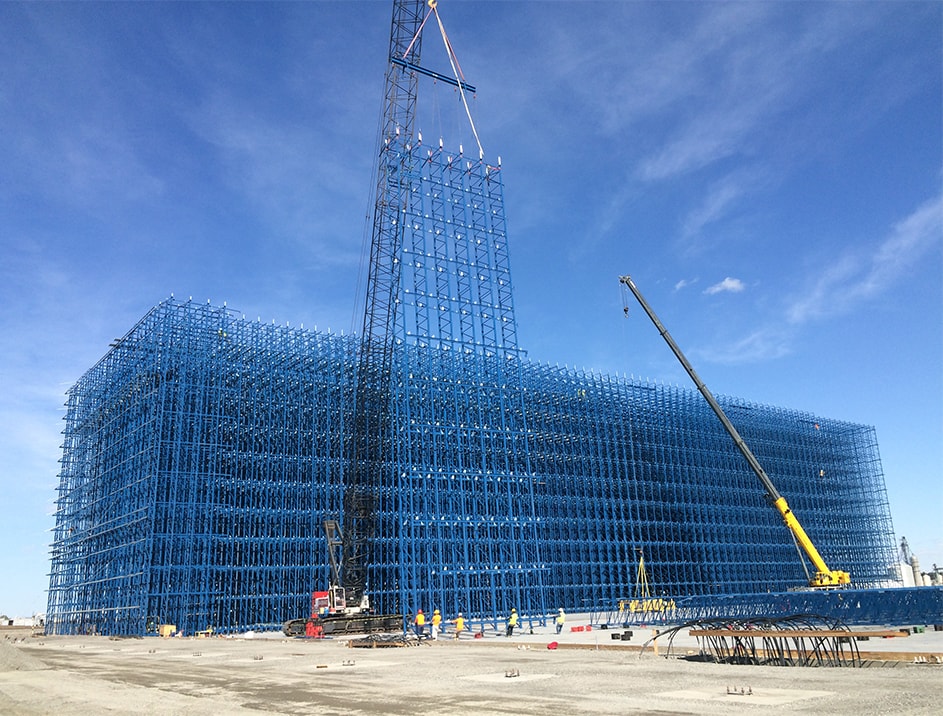
- Automated Storage and Retrieval Systems (ASRS) & Pallet Shuttles: Tight labor availability across Western Washington has accelerated automated crane-based and semi-automated shuttle systems (such as high-density 2D Mole shuttles). Structural steel delivers the required millimeter-level frame rigidity and rail stability over time.
- Strict SDCI High-Piled Combustible Storage Compliance: The Seattle Department of Construction and Inspections (SDCI) and the Washington State Fire Marshal rigorously enforce ESFR (Early Suppression, Fast Response) fire sprinkler clearances, flue-space integrity, and smoke venting. Our engineered pallet rack solutions guarantee precise 6-inch transverse and longitudinal flue spaces via welded steel pallet stops.
Structural C-Channel vs. Conventional Roll-Formed Racking
Critical comparative analysis for industrial engineers, warehouse architects, and operations directors.
| Performance Characteristic | Frazier 100% Structural Steel Rack | Standard Roll-Formed (Teardrop) Rack | Operational Impact for Seattle Warehouses |
|---|---|---|---|
| Steel Composition | Hot-rolled heavy C-channel (ASTM A36/A572) | Cold-coiled sheet strip metal (12–16 Ga) | Structural steel prevents progressive edge cracking and fatigue. |
| Forklift Impact Resistance | High (Absorbs up to 300% greater energy) | Low (Vulnerable to column buckling & tears) | Structural steel avoids costly warehouse shutdowns in high-traffic aisles. |
| Seismic Ductility ($R_p$) | Superior cyclic shear dissipation (bolted joints) | Restricted (risk of tab shearing/dislodgement) | Smooth permitting with Seattle SDCI and Pierce County building authorities. |
| Sub-Zero Freezer Performance | Maintains toughness; ductile down to -40°F | Prone to cold-temperature brittleness | Essential for Port of Seattle and Kent Valley frozen food cold chains. |
| Field Serviceability | Bolted components allow modular replacement | Requires cutting, custom welding, or whole frame scrap | Reduced maintenance cost and lower lifetime storage investment. |
| Damage Warranty Protection | Industry-leading 2-Year Damage Warranty | Standard 1-year against defects only | Covers everyday industrial operational impacts from materials handling equipment. |
Enterprise Manufacturing & Global Export Infrastructure
For more than 75 years, our engineering-driven manufacturing foundation has set the benchmark for structural storage innovation across North America. Operating ten flexible manufacturing plants strategically dispersed throughout the United States, Canada, and Mexico, we provide freight-optimized logistics with dedicated flatbed and rail delivery straight to Washington State project job sites.
- Ten Dedicated Manufacturing Facilities: Enables production balancing, shortened delivery cycles, and reliable fulfillment for projects ranging from 2,000 to 100,000+ pallet locations.
- In-House Structural & High-Bay AS/RS Engineering: Dedicated engineering teams collaborate directly with leading warehouse automation integrators, sprinkler consultants, and general contractors from schematic design to field sign-off.
- Full Export Packaging & Ocean Staging: Comprehensive seaworthy crating, flat-rack containerization, and staging capabilities serving transshipment routes across Seattle, Alaska, Hawaii, and overseas trade hubs.
Frequently Asked Questions: Warehouse Rack Procurement in Seattle
Clear, engineering-backed answers addressing seismic codes, permitting steps, and structural customization.
What specific permitting documents are required for installing pallet racking in Seattle and King County?
How does the Cascadia Subduction Zone affect the seismic design of our warehouse storage racks?
Why is structural steel preferable over roll-formed steel in Puget Sound cold storage facilities?
Can your heavy-duty rack systems integrate directly with ASRS and automated shuttles?
What warranties protect our racking investment against forklift collision damage?
Ready to Engineer or Expand Your Puget Sound Warehouse?
Collaborate directly with our structural engineering team. Submit your facility drawings, load specs, and operational parameters for a comprehensive layout analysis and seismic budget estimate.