High-Performance Structural Racking Systems Engineered for SoCal Logistics
Browse precision hot-rolled channel steel storage racks, heavy-duty cantilever systems, and modular fulfillment solutions engineered to endure rigorous seismic demands and peak forklift impact loads.
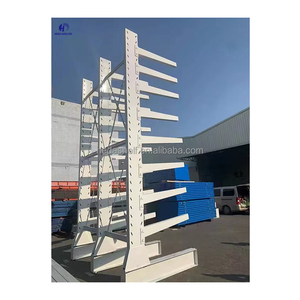
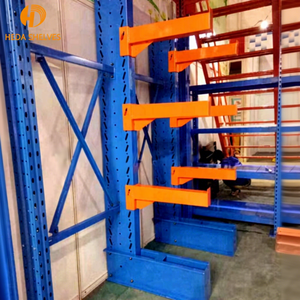
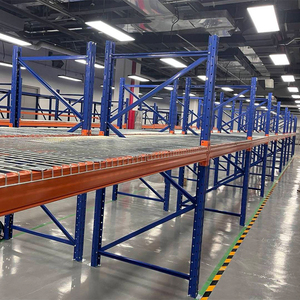
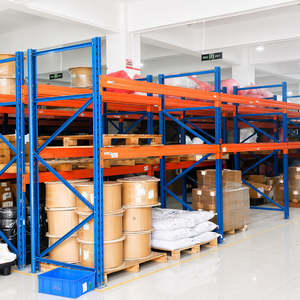
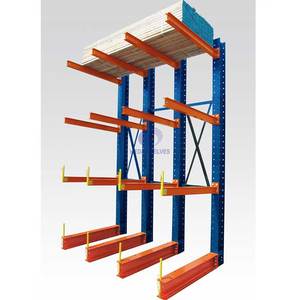
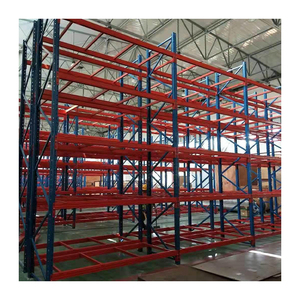
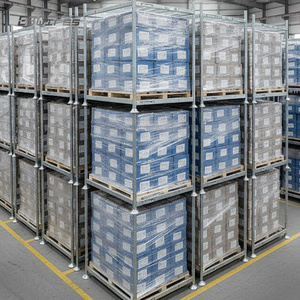
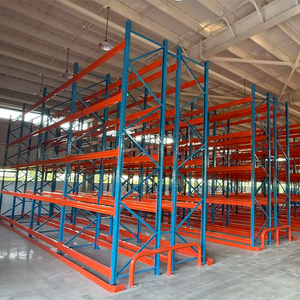
Engineering Advantages That Distinguish Frazier Storage Infrastructure
Built like permanent building infrastructure rather than lightweight warehouse fixtures, our 100% structural steel systems provide unrivaled structural integrity, safety certifications, and field-repairable longevity.
Seismic Category D-F Certified
Every structural profile is strictly calculated against ANSI MH16.1 specifications and Southern California’s rigorous local building codes, including City of Los Angeles (LADBS) standards, ensuring structural stability under high cyclic seismic stresses.
100% Hot-Rolled Channel Steel
Utilizing high-tensile structural C-channel steel rather than thin-gauge roll-formed teardrop profiles. Hot-rolled steel offers multi-directional ductile elasticity and extreme forklift impact resistance in high-throughput fulfillment terminals.
Industry-Exclusive 2-Year Warranty
Backed by our signature 2-year rack damage warranty alongside standard lifetime manufacturing guarantees. Bolted modular connection nodes make replacing damaged components direct, economical, and fast without tearing down full spans.
Warehouse Storage Dynamics in the Los Angeles Logistics Basin
A comprehensive examination of land valuations, maritime trade volume, dynamic seismic safety, and vertical volume optimization across the Greater Los Angeles and Inland Empire industrial sectors.
The Greater Los Angeles and Inland Empire logistics ecosystem represents the premier distribution gateway across North America. Anchored by the interconnected maritime terminals of the Port of Los Angeles and Port of Long Beach—collectively the San Pedro Bay port complex—this industrial territory orchestrates over 30% of all containerized maritime imports entering the United States. Handling this relentless velocity requires industrial storage infrastructure capable of absorbing severe warehouse dynamics, ultra-high picking frequencies, and continuous three-shift operations.
Modern distribution hubs in Commerce, Vernon, City of Industry, Rancho Cucamonga, and Ontario face intense industrial pressures. Available clear land has become scarce, driving average warehouse land lease valuations to historical highs. Logistics directors, third-party logistics providers (3PLs), and supply chain integrators cannot afford dead floor space or horizontal inefficiencies. To remain profitable, facilities must maximize every cubic foot of usable height by constructing high-bay selective pallet racks, heavy-duty cantilever arm assemblies, and semi-automated push back or shuttle layouts reaching 32 to 45 feet clear heights.
Structural Steel vs. Roll-Formed Steel in Greater LA Industrial Real Estate
A crucial engineering decision made by facility owners and warehouse operations directors in Los Angeles is the structural material composition of their racking system. While lightweight cold-rolled teardrop racks offer a marginally lower initial purchase invoice, they repeatedly prove cost-prohibitive in high-volume, automated, or seismic-active Southern California distribution centers due to premature structural deformation.
| Engineering Attribute | Hot-Rolled Structural Steel (Frazier Specification) | Standard Roll-Formed Sheet Steel (Teardrop) | Operational Consequence in Los Angeles Warehouses |
|---|---|---|---|
| Steel Composition | Solid C-channel hot-rolled mill steel (ASTM A36/A572) | Light-gauge coiled strip steel rolled into shape | Up to 250% higher torsional resilience against heavy Class I & II forklift strikes. |
| Seismic Damping Capacity | Exceptional ductility, high lateral load shear absorption | Thin walls subject to sudden post-yield local buckling | Significantly reduced risk of collapse during high-magnitude San Andreas fault shifts. |
| Column Impact Resistance | Thick flanges absorb direct heavy forklift collisions | Open tubular back wall collapses easily upon fork tines | Virtually eliminates frequent aisle shutdowns, unloading mandates, and emergency upright swaps. |
| Connection Method | High-strength structural bolted hardware (Grade 5/8) | Gravity clip tabs resting inside open punched slots | Eliminates beam dislodgement caused by upward pallet binding or vertical seismic waves. |
| Total Cost of Ownership (TCO) | Low maintenance; individual bolted parts field-swappable | Frequent damaged frame replacements and continuous repairs | Achieves 35% lower net operating costs over an 8-year operational lifecycle. |
In facilities operating heavy counterbalanced lift trucks, reach trucks, and narrow-aisle AGVs, accidental upright strikes are inevitable. Roll-formed sheet metal columns, frequently measuring only 12 to 14 gauge, suffer immediate localized flange crumpling upon low-speed impact. When an upright member is compromised, city fire and safety inspectors, along with OSHA guidelines, mandate immediate unloading of the entire bay, causing severe labor bottlenecks. In contrast, Frazier structural C-channel columns retain structural integrity through rigorous collisions. Damaged bracing or beams are easily repaired through bolted connection designs without decommissioning adjacent bays.
Los Angeles Regional Applications & Specialized Industry Verticals
Tailored structural configurations delivering targeted throughput for Southern California's primary economic and supply-chain drivers.
Port Transloading & Cross-Dock Hubs
Strategically situated in Long Beach, Carson, and Compton, our high-clearance selective pallet racks and heavy-duty wire-deck assemblies accelerate intermodal maritime container deconsolidation into outbound commercial truck fleets.
Inland Empire Omni-Channel E-Commerce
Massive fulfillment campuses in Ontario, Jurupa Valley, and Moreno Valley rely on multi-tier pick modules, gravity carton-flow systems, and high-cube ASRS integration designed to maintain flawless SKU selectivity under relentless high-velocity orders.
Sub-Zero Cold Chain & Food Distribution
Operating across refrigerated corridors in Vernon and City of Industry, our hot-rolled structural steel profiles withstand severe thermal shocks down to -20°F without becoming brittle, providing optimal dense storage for produce, meat, and frozen goods.
Emerging Trends Reshaping Southern California Warehousing
Strategic analysis of seismic automation, warehouse space densification, and municipal permitting standards transforming industrial supply lines.
Ultra-Dense ASRS & Shuttle Systems
Skyrocketing industrial rents are accelerating transitions to deep-lane automated shuttle systems and rack-supported buildings, optimizing cubic warehouse envelopes up to 100 feet in height.
Infill Micro-Fulfillment Conversions
Conversion of older commercial properties in Central LA and San Gabriel Valley into high-density last-mile distribution centers equipped with low-profile, high-capacity custom shelving.
Stringent Seismic Municipal Permitting
Los Angeles Department of Building and Safety (LADBS) continues to elevate baseline engineering standards, requiring wet-stamped structural calculations and non-destructive weld testing for all rack permits.
Automated ESG & Cold Energy Retention
Deep-lane high-density racking configurations reduce refrigerated airflow volume, helping cold storage operations meet aggressive California Title 24 energy-efficiency targets.
Los Angeles Warehouse Storage Procurement FAQ
Essential regulatory, structural, and operational answers for logistics facility managers and warehouse engineers in Southern California.
What specific permits are required to install industrial pallet racks in Los Angeles County?
How do Seismic Design Categories (SDC D, E, and F) influence warehouse rack design in SoCal?
Why is structural steel preferable to roll-formed teardrop rack in high-traffic 3PL terminals?
How do early-suppression fast-response (ESFR) sprinkler systems integrate with rack design?
What parameters do Frazier structural engineers require to produce a certified layout quote?
Accelerate Your Southern California Warehouse Expansion
Partner directly with Frazier's structural engineers. From site seismic audits and LADBS-compliant permit plans to precision hot-rolled steel manufacturing and turnkey installation, we ensure your facility delivers maximum storage density and lifelong safety.