Engineered Storage Catalog
Featured Industrial Racking Systems for Port-au-Prince Warehouses
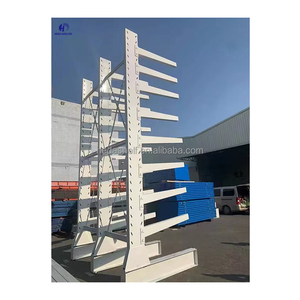
Manufactured to RMI ANSI MH16.1 specifications using 100% structural hot-rolled steel channel. Designed to absorb severe forklift impacts and optimize cubic footprint across high-throughput commercial nodes.
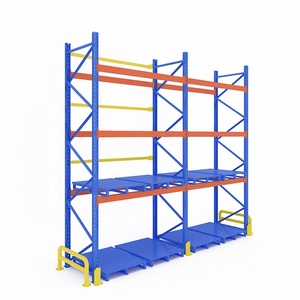
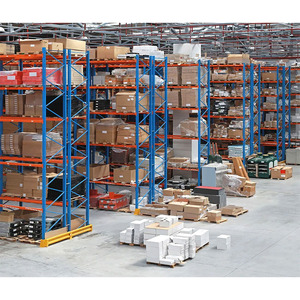
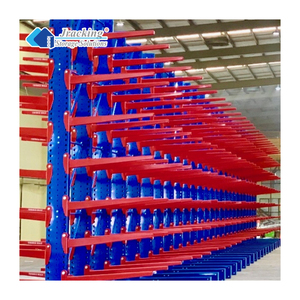
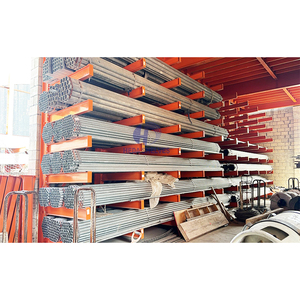
Operational Metrics
Engineering Superiority & Infrastructure Longevity
Providing supply chain resilience to commercial distribution corridors across Port-au-Prince, Delmas, Boulevard Toussaint Louverture, and the Port-au-Prince Marine Terminal.
75+
Years of Structural Steel Engineering Legacy (Since 1949)
100%
Hot-Rolled Structural Channel Construction Across All Posts
90%+
Cubic Storage Utilization Compared to Standard Selective Racks
2-Year
Comprehensive Rack Damage Warranty with Bolted Repairability
Glide-In® Dynamic Cart Engineering
Push back pallet racking systems utilize nested rolling carriages that travel along inclined structural steel rails. As operators insert loads, previous pallets are pushed backwards smoothly. Gravity brings rear units forward upon retrieval, maintaining full face accessibility without driving forklifts inside the racking bays.
Structural Resilience vs Roll-Formed
Unlike open-back teardrop steel that crumples when struck by material handling machinery, our hot-rolled C-channel frames resist high-impact forces. Bolted structural beam connections do not dislodge under lateral racking movement, eliminating catastrophic upright failure risks.
Seismic D & E Verification
Port-au-Prince sits directly over active fault lines like the Enriquillo-Plantain Garden Fault zone. Every storage system engineered by our structural team incorporates over-sized base plates, heavy-duty floor anchor arrays, and structural dynamic load bracing designed to withstand major seismic accelerations.
Local Infrastructure Realities
Push Back Racking in Port-au-Prince: Operational Dynamics
In an island market constrained by import bottlenecks, constrained warehouse land around the Port-au-Prince harbor, and challenging climate realities, high-density push back racks solve critical supply vulnerabilities.
Port Logistics & Demurrage Reduction
Facilities positioned near the Autoroute de Delmas, Shodecol industrial zone, and Boulevard National #1 handle bulk imports arriving through Autorité Portuaire Nationale (APN). Unloading full container loads (FCL) into 2-deep to 6-deep push back racks allows rapid pallet unstacking, minimizing dwell times and mitigating heavy demurrage expenses.
Cold Storage Power Optimization
Port-au-Prince food importers operate in an environment with high commercial electricity rates and continuous generator reliance. Push back systems pack frozen poultry, dairy, and pharmaceuticals into ultra-compact footprints, slashing refrigerated volume requirements and conserving kilowatt hours per stored pallet.
Tropical Marine Corrosion Mitigation
Marine humidity containing airborne chlorides blows directly inward across Port-au-Prince bay. Our structural racking is treated with hot-dip galvanization and resilient multi-stage electro-deposition coatings to prevent corrosion pitting, rust flaking, and cart-bearing seizing over decades of continuous duty.
Structural Engineering Benchmark: Warehouse Storage Matrix
| Storage System Type | Volume Utilization | Selectivity Profile | Forklift Cycle Times | Seismic Resistance | Port-au-Prince Practicality |
|---|---|---|---|---|---|
| Structural Push Back (2-6 Deep) | 85% - 90% High Density | Lane-Level Selectivity (LIFO) | Fast (Aisle loading only) | High (Hot-rolled channels) | Optimal for imports, wholesale & cold storage |
| Standard Selective Pallet Rack | 50% - 60% Low Density | 100% Direct Pallet Access | Moderate (Deep aisle travel) | Moderate (Roll-formed frames) | Requires broad floor footprint; high land cost |
| Drive-In / Drive-Thru Racking | 90% - 95% Maximum Density | Bay-Level Only (Very Low) | Slow (Truck enters rack bay) | Fragile (Susceptible to collision) | High maintenance risk from lift truck impacts |
| Pallet Flow Gravity Lanes | 85% - 90% High Density | FIFO Strict Batch Access | Fast (Dedicated load/pick) | High (Structural construction) | Ideal for short shelf-life food/beverage batches |
Market Evolution
Future Logistics Trends Across the Ouest Department
Analyzing commercial warehousing shifts across Port-au-Prince, Tabarre, and Cité Soleil as regional operations scale from manual floor stacking to engineered multi-tier supply centers.
Verticalization of Floor Footprints
With industrial square meters fetching premium pricing within secure commercial compounds, logistics managers are abandoning dangerous block stacking in favor of heavy structural uprights extending vertically to clear building roof trusses.
SKU Velocity & Buffer Inventories
Frequent oceanic transit delays require wholesalers to keep larger emergency inventory reserves. Multi-lane push back racks let companies segregate critical medical, dry staple, and hardware inventory by lane while preventing dead stock accumulation.
Fleet Transition to Reach Trucks
Warehouses across the Haitian capital are upgrading from wide-turning counterbalance lift trucks to compact reach trucks. Push back systems capitalize on narrow aisle dimensions, instantly boosting lane count within existing warehouse walls.
Rigorous Structural Auditing
International insurance underwriters and institutional finance partners now require proven seismic load documentation complying with RMI standards, driving local enterprises toward structural certified manufacturers.
Enterprise Procurement Guidance
Port-au-Prince Commercial Racking Procurement FAQ
Direct structural engineering and logistics answers tailored for Haitian warehouse proprietors, logistics directors, and procurement specialists.
Why choose push back racking over conventional drive-in racks in Port-au-Prince?
Drive-in racks require forklift operators to drive physically inside the steel racking bays. In busy Port-au-Prince distribution hubs, frequent impacts on uprights lead to damaged columns, structural fatigue, and hazardous collapse risks. Push back racking confines forklift movement strictly to the external aisle. The lift operator places the pallet on a rolling structural cart and pushes back from outside. This reduces lift truck transit time by up to 40%, preserves rack integrity, and accommodates varied pallet types without structural modification.
How does hot-rolled structural steel handle seismic risks in the Caribbean?
Port-au-Prince is situated in an active seismic tectonic boundary. Thin-gauge roll-formed teardrop steel tends to twist, rip at pin connections, and shear under ground-motion stress. Our structural steel racking is manufactured using heavy-gauge, hot-rolled steel channel members with bolted structural grade-5 connections. Bolted channels provide substantial rotational stiffness and ductile energy absorption. Additionally, our engineering office certifies base plate sizes and anchor embedment depths to ensure complete stability in high-risk zones.
Can our facility combine different pallet dimensions on the same push back lane?
Yes. Many Port-au-Prince wholesalers receive mixed shipments featuring standard GMA pallets (48x40 inch), European pallets (1200x800 mm), and local industrial skids. Standard push back carts can be equipped with reinforced intermediate steel mesh, perimeter retention lips, or full structural deck plates to safely convey irregular, split, or plastic pallets without jamming the nested cart flow tracks.
What anti-corrosion measures protect the steel against coastal humidity and salt air?
Facilities along Port-au-Prince Bay and near the port encounter salty maritime drafts and elevated ambient moisture. We offer multi-tier protective treatments, including hot-dip galvanization for sub-zero cold storage and coastal facilities, as well as industrial baked thermoset powder coatings pre-treated with zinc phosphate primers. Our wheel assemblies feature sealed, lifetime-lubricated stainless steel bearings shielded from moisture ingress and salt-induced oxidation.
How does maritime container shipping and on-site assembly work for Haiti projects?
All structural uprights, beams, cart channels, and hardware are bundled, strapped, and packed into standard 40ft High Cube ocean containers directly at our regional fabrication plants. We provide comprehensive component tagging, detailed CAD installation blueprints, dynamic load charts, and certified structural calculation books to ensure clearance at APN customs and smooth field installation with your chosen contractor team.
Ready to Engineer Your High-Density Port-au-Prince Warehouse?
Submit your facility dimensions, ceiling clearances, pallet weights, and forklift specifications. Our senior structural logistics engineering team will deliver a custom AutoCAD layout and comprehensive quotation.
Get Catalog