High-Throughput Storage Systems Engineered for Piedmont Supply Chains
From Class-A fulfillment complexes along the I-85 / I-77 logistics nexus to local wholesale distributions in Mecklenburg and Cabarrus counties, our pallet racking inventory meets stringent local building codes, structural deflection tolerances, and seismic safety requirements.
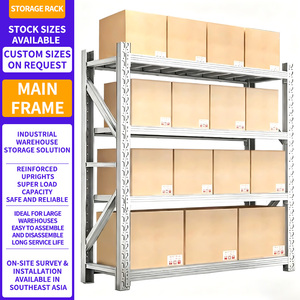
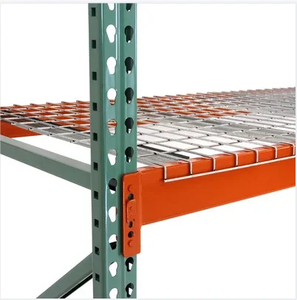
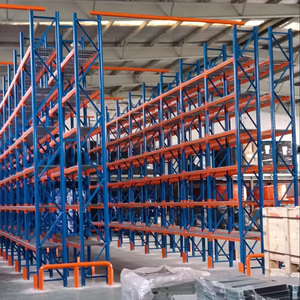
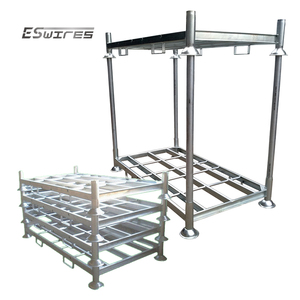
Tailored Storage Architectures for Charlotte Industrial Clusters
The Charlotte metropolitan footprint represents the central distribution backbone of the Southeast. Operating within this region requires equipment built to withstand accelerated duty cycles, complex load configurations, and exact fire code compliance.
Automotive & Advanced Mobility
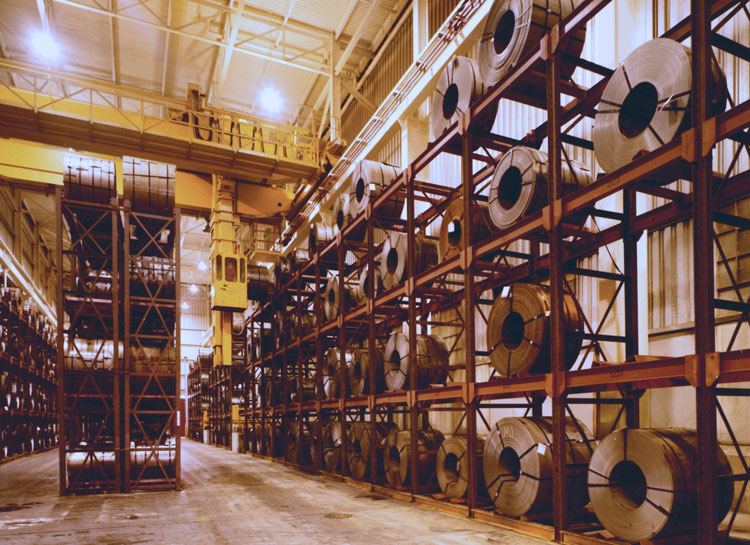
Serving the high-density automotive supply corridor stretching across Gaston and Rowan counties. Our heavy structural racks are customized for stamping dies, battery crate modules, engine assemblies, and uneven point loads requiring rigid structural steel channeling.
High-Throughput E-Commerce 3PLs
Situated near Charlotte Douglas International Airport (CLT) and Concord logistics centers. Multi-tier pick modules and selective teardrop rack systems optimized for rapid pick-and-pack fulfillment, VNA wire guidance, and high pallet turnaround rates.
Cold Storage & Food Logistics
Engineered for regional grocery distribution centers across Huntersville and Rock Hill. Structural steel members resist thermal embrittlement in sub-zero freezers down to -20°F, eliminating brittle fractures typical of lighter roll-formed profiles subject to lift impact.
Building Supplies & Millwork
Designed for Piedmont-area construction product distribution hubs. Cantilever and heavy beam selective racks carry bulk drywall, lumber bundles, and heavy industrial hardware with reinforced baseplates and heavy column bullnose protectors.
Charlotte Warehouse Logistics: Strategic Growth & Capacity Trends
Industrial real estate developments throughout Mecklenburg, Cabarrus, and York counties have experienced structural shifts that redefine warehouse layout parameters and storage rack investments.
Clear-Height Escalation
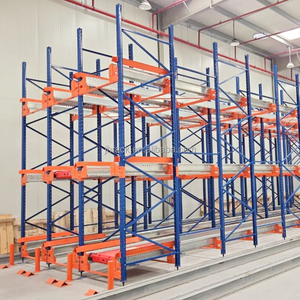
New industrial developments along the I-485 outer loop routinely feature 36-foot to 40-foot clear heights. Operators are abandoning standard low-profile racking in favor of tall, narrow-aisle selective configurations and automated radio shuttle systems to double cube utilization without expanding slab footprint.
Stricter Mecklenburg Codes
Local municipal inspections require professional engineer (PE) stamped structural calculations adhering strictly to ANSI MH16.1 specifications and local IBC seismic provisions. Facilities must incorporate precision flue space alignment and certified wire decking to satisfy Charlotte Fire Department ESFR sprinkler criteria.
Nearshoring Velocity
With North Carolina emerging as a manufacturing powerhouse for green energy and microelectronics, regional warehousing requires hybrid racking designs that seamlessly interface with automated guided vehicles (AGVs), autonomous mobile robots (AMRs), and AS/RS cranes.
Structural Hot-Rolled Channel vs. Standard Roll-Formed Steel
In high-cycle 24/7 fulfillment facilities, material thickness and connection rigidity directly govern total cost of ownership (TCO), employee safety, and long-term asset depreciations.
| Performance Characteristic | 100% Hot-Rolled Structural Steel Racking | Standard Roll-Formed (Teardrop) Racking | Impact on Charlotte Operations |
|---|---|---|---|
| Impact Resistance | ✓ Exceptional (Thick C-Channel resists forklift hits) | Moderate (Open back can buckle under repeated strikes) | Reduces rack collapse risks in busy cross-dock facilities |
| Connection Style | High-strength bolted joints with structural lock washers | Drop-in teardrop pin / clip friction fit | Eliminates beam dislodgement caused by high-mast reaching |
| Cold Storage Performance | Maintains ductility and yield strength below 0°F | Risk of micro-fracturing in thin cold-bent corners | Critical for refrigerated distribution hubs in Concord/Salisbury |
| Frame Capacities | Up to 80,000+ lbs structural frame limits | Standard 20,000 to 35,000 lbs frame limits | Allows tall vertical utilization in modern 40-foot clear facilities |
| Repair & Field Maintenance | Individual components easily unbolted and replaced | Frequently requires splicing or entire upright frame removal | Cuts warehouse downtime and inventory staging penalties |
Direct-from-Manufacturer Rigor with Local Southeastern Execution
For more than seven decades, our engineering team has designed, tested, and fabricated material handling solutions that lead North American industry benchmarks. We do not supply off-the-shelf equipment; we engineer custom floor-to-ceiling storage ecosystems.
- 10 Flexible Manufacturing Plants: High-capacity North American fabrication reduces transit costs and guarantees delivery dates for time-sensitive installations in the Carolinas.
- Industry-Leading 2-Year Damage Warranty: Standard coverage backs our hot-rolled structural steel against operational lift damage, a warranty unmatched by conventional distributors.
- Turnkey Structural Engineering: From soil condition analysis and slab dowel placement to RMI ANSI MH16.1 seismic calculation packages, our in-house PE staff accelerates local Charlotte permitting.
Charlotte Warehouse Procurement FAQ
Direct technical answers addressing structural integrity, municipal fire permits, lead times, and system selection for North Carolina facility directors.
Do pallet rack installations in Charlotte require a municipal building permit?
How do we configure rack systems to comply with NFPA 13 sprinkler regulations?
What is the delivery timeline for commercial rack orders shipped into the Charlotte market?
Can your engineering team assess existing concrete slab capacity?
Why should cold storage warehouses in Concord or Salisbury use structural channel racking?
Is teardrop racking interchangeable across different manufacturers?
Optimize Your Charlotte Facility’s Storage Density
Submit your facility dimensions, CAD drawings, or load requirements. Our material handling engineers will configure an optimized, code-compliant storage layout tailored to your operational velocity.