Featured Racking & Industrial Storage Inventory
Precision-manufactured structural storage systems engineered to accommodate long-span, high-capacity, and irregular cargo across industrial facilities in Marigot and the Northern Caribbean basin.
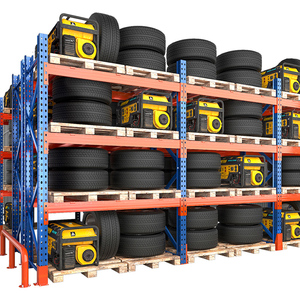
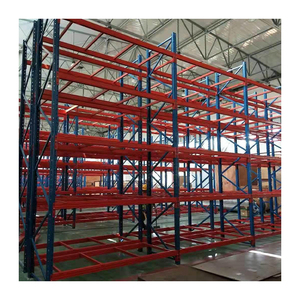
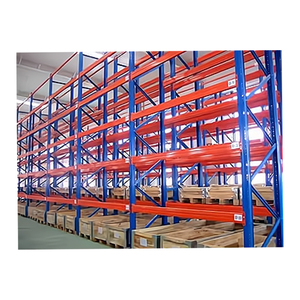
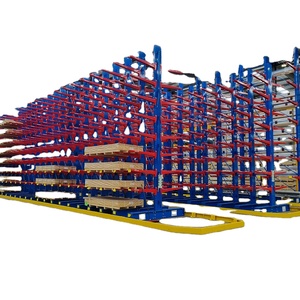
Executive Technical Briefing: Industrial Cantilever Racking in Marigot’s Supply Chain
In the insular economy of Marigot—the capital of the French Collectivity of Saint-Martin—warehouse real estate is constrained, highly valued, and uniquely challenged by Caribbean coastal geography. For industrial facility managers, port operators, boatyard proprietors, and construction material purveyors, standard teardrop roll-formed selective pallet racking frequently fails to solve the challenge of unconventional, oversized, and ultra-long structural loads. Items such as extruded structural aluminum, schedule 40/80 steel piping, marine timber stringers, rebar bundles, and boat spars cannot be contained within standard pallet bays bounded by vertical front columns.
Cantilever racking provides a completely open linear storage face, eliminating front column obstruction and enabling uninterrupted lateral access. Designed with hot-rolled structural steel columns and load-bearing horizontal arms pinned or bolted to heavy-duty vertical towers, our industrial cantilever rack installations solve three decisive engineering hurdles specific to Marigot: spatial volumetric efficiency, extreme wind-load anchorage resistance, and atmospheric maritime corrosion immunity.
Whether deployed at the Port de Galisbay maritime perimeter, the Bellevue commercial industrial park, or inland marine repair centers near Simpson Bay Lagoon, structural cantilever systems provide the engineering resilience required to handle high point-loads, cyclical forklift impacts, and heavy storage requirements without risk of progressive rack collapse.
Mission-Critical Cantilever Applications Across Saint-Martin
Targeted material storage engineering adapted directly to the unique commercial and geographical demands of Marigot and surrounding territories.
1. Marine, Yacht Yard & Boatyard Logistics
Marigot and the bordering Simpson Bay Lagoon represent one of the world's most dense superyacht refit and marine service ecosystems. Boat repair yards, naval architects, and rigging providers utilize extra-heavy cantilever racks for dry boat storage, mast stepping support, long composite spar arrays, propeller shafts, stainless marine railings, and heavy fiberglass sheeting. Arms can be fitted with non-marking polyurethane pads or composite cradles to eliminate chafing on gel coats and specialized marine finishes.
2. Construction Timber, Rebar & Hurricane Building Reserves
Following category 5 storm events like Hurricane Irma, building codes throughout the French West Indies mandate reinforced concrete construction, hurricane-rated tie beams, and specialized structural framing. Marigot's building supply depots rely on cantilever towers to hold continuous stock of structural C-channel steel, deformed rebar bundles up to 12 meters in length, pressurized maritime lumber, and PVC drainage conduits without sagging or ground moisture contact.
3. Port de Galisbay Logistics & Freezone Freight
As the primary maritime freight gateway for the French side of Saint-Martin, Port de Galisbay processes rolling break-bulk, crated infrastructure equipment, solar panel racking components, and municipal utility pipes. High-bay exterior structural cantilever systems with integrated canopy roof sheds allow port freight consolidators to double usable vertical storage outdoors while shielding vulnerable materials from tropical UV degradation and downpours.
100% Hot-Rolled Structural Steel vs. Roll-Formed Profiles
A key failure mode in Caribbean storage facilities is the widespread specification of light-gauge, roll-formed sheet metal cantilever arms. Under heavy outdoor handling or minor forklift mast deflection, cold-formed tabs buckle and tear away from the upright slots, leading to catastrophic dynamic cascading failures.
Our manufacturing philosophy is grounded in 100% hot-rolled structural steel C-channel and wide-flange I-beam construction, joined with high-strength ASTM A325 structural grade bolts. Structural steel boasts significantly thicker web and flange walls (often 300% to 400% thicker than standard sheet gauge), yielding exceptional rotational stiffness and shock absorption against lift truck impact.
Furthermore, each connection utilizes a heavy-duty shear-pin or torque-stabilized structural bolt assembly, providing a built-in ductile safety margin that meets ANSI/RMI MH16.1 and European EN 15512 / Eurocode 3 standards for industrial structural racking installations.
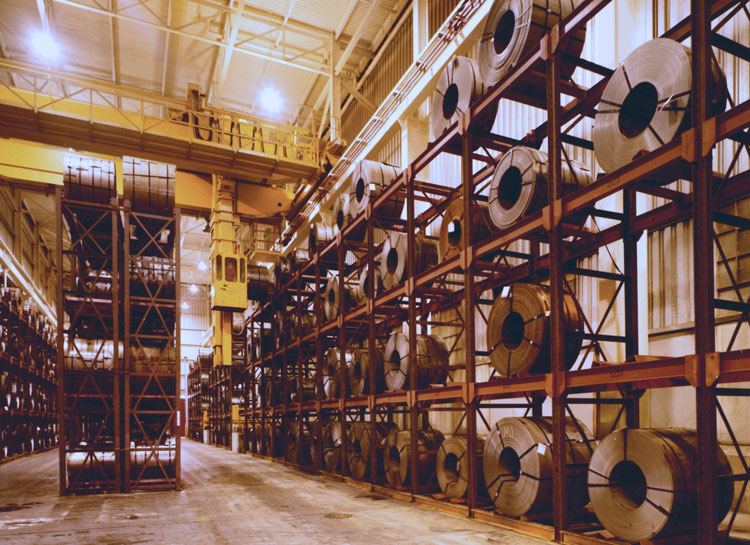
Technical Specifications: Heavy-Duty Structural Cantilever Series
Engineered parameters configured for severe marine atmospheres, seismic zones, and heavy industrial load criteria:
| Engineering Attribute | Standard Duty Specification | Heavy Duty (Structural Series) | Marigot Tropical Coastal Duty |
|---|---|---|---|
| Material Composition | Q235 / ASTM A36 Cold Formed | Hot-Rolled ASTM A572 Grade 50 / Q355B | 100% Structural Wide-Flange (W-Beam) Steel |
| Upright Tower Height | 2,000 mm – 4,500 mm | 3,000 mm – 9,000 mm | Custom High-Bay up to 12,000 mm |
| Arm Load Capacity | 250 kg – 600 kg per arm | 800 kg – 2,200 kg per arm | Up to 3,500 kg per arm (Point or UDL) |
| Corrosion Treatment | Electrostatic Powder Coat (60μm) | Double Epoxy Barrier (100μm) | Hot-Dip Galvanized ISO 1461 (≥ 85μm) C5-M Marine |
| Seismic / Wind Compliance | Zone 1 Basic | RMI MH16.1 / IBC Seismic Zone D | Eurocode 8 Seismic / 185 mph Hurricane Gust Rated |
| Arm Incline Pitch | 2° Safety Incline Built-in | 2° to 4° Adjustable Pin System | Integrated Pipe Retention Lip & Removable Stops |
Localized Logistics Trends: Why Marigot Warehousing Is Modernizing
The commercial landscape across Saint-Martin and Sint Maarten is undergoing an accelerated modernization cycle driven by three interrelated supply chain realities:
1. Stringent Anti-Hurricane Building Resilience (Eurocode & French CSTB Codes): After experiencing historic tropical cyclone winds exceeding 290 km/h, industrial insurers and territorial planning authorities in Marigot no longer approve non-certified temporary racking structures. Every permanent interior and exterior rack installation must be calculated for wind uplift, slab shear forces, and overturning moments with heavy seismic anchor bolts deep-set into 30+ MPa reinforced concrete foundations.
2. The Nearshore Port Consolidation Imperative: Due to shallow draft limitations at secondary quays, maritime shipping containers arriving in Saint-Martin must be stripped rapidly at Galisbay or regional transshipment zones. Logistics operators are shifting from chaotic horizontal floor storage to dense, vertical high-bay cantilever runs that quadruple linear meter capacity while keeping material access 100% selective.
3. Demands for ISO 12944 C5-M Marine Atmospheric Protection: With the entirety of Marigot positioned within minutes of warm salt-spray air, galvanic oxidation and rust bleeding ruin unprotected steel within 18 months. Leading suppliers are turning exclusively to batch hot-dip galvanizing, where molten zinc metallurgically alloys with structural steel at 450°C, offering self-healing cathodic rust protection guaranteed for decades of Caribbean exposure.
Why Tier-1 Engineers & Contractors Partner With Us
Decades of specialized heavy structural manufacturing, unmatched warranties, and tailored international export support.
Engineering Since 1949
With roots stretching back over 75 years in structural steel design, our high-precision product engineering team collaborates with logistics integrators and structural engineering firms to calculate exact deflection curves, live load capacities, and slab-interaction dynamics before fabrication begins.
2-Year Rack Damage Warranty
Forklift collisions happen in fast-moving supply chains. Our 100% structural hot-rolled channel construction is so resilient that we back our installations with an industry-leading 2-year rack damage warranty, supported by interchangeable bolted components that minimize facility downtime.
Export Packaging & Caribbean Shipping
International maritime shipping to Marigot requires robust container packaging. All upright towers, arms, and diagonal X-bracing are strapped with high-tensile steel banding, wrapped in moisture-resistant vapor barrier film, and palletized for zero-damage container un-stuffing at Caribbean ports.
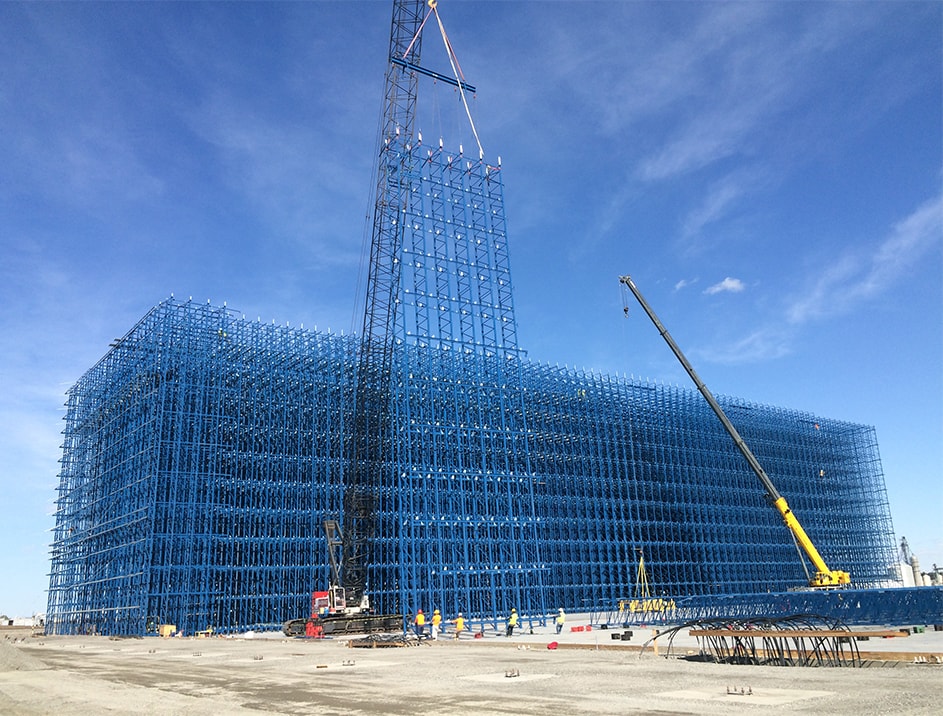
Tailored Layout Engineering & Custom Cantilever Configurations
No two warehouse footprints in Saint-Martin are identical. Whether you are dealing with low ceiling clearance in an existing downtown Marigot depot or erecting a 10-meter high greenfield logistics building, our structural engineers model your exact requirements:
- Single-Sided Wall Runs: Placed flush against building perimeter walls to transform dead perimeter square footage into vertical storage capacity.
- Double-Sided Central Islands: Maximizing central floor space accessible from dual operational forklift aisles for rapid turnaround.
- Cantilever Roof & Shed Systems: Custom-engineered truss arms supporting pitched corrugated roofs, converting outdoor yard space into dry, shaded storage without building expensive new warehouse walls.
- Drop-In Steel Mesh & Solid Decking: Providing continuous arm surfaces to store variable-length items or damaged pallets safely on cantilever arms.
Frequently Asked Questions from Marigot Facility Managers
Critical considerations addressing Caribbean maritime logistics, installation conditions, customs clearances, and engineering standards.
How does salt spray and high humidity impact cantilever rack durability in Marigot?
Standard indoor powder coatings will experience salt blistering and micro-rusting at mechanical joints within months near Marigot's coast. For outdoor or non-climate-controlled marine warehouses, we strongly recommend Hot-Dip Galvanizing (HDG) to ISO 1461 standards. The thick metallurgical zinc-iron alloy layer seals the steel against humidity and salt air, offering maintenance-free durability for 25 to 50 years under ISO 12944 C5-M marine exposure conditions.
Can your cantilever racking systems be certified for local French building permits (Permis de Construire)?
Yes. We furnish comprehensive PE-stamped structural calculation packages conforming to Eurocode 1 (Wind and Snow actions), Eurocode 3 (Steel Design), and Eurocode 8 (Seismic design), as required by the DEAL (Direction de l'Environnement, de l'Aménagement et du Logement) in Guadeloupe and Saint-Martin, as well as ANSI/RMI MH16.1 specifications for cross-border projects.
What concrete slab specifications are required to safely anchor heavy cantilever towers?
Cantilever towers induce significant overturning moments at their base under loaded conditions. Typical installations require a minimum concrete slab thickness of 150 mm to 250 mm with a compressive strength of at least 25 to 30 MPa (C25/30), reinforced with welded steel mesh or rebar. We provide exact anchor reaction forces, baseplate footprint drawings, and chemical anchor epoxy specifications for your concrete installer.
How are international ocean freight logistics handled for delivery to Marigot?
Shipments are packed into 20GP, 40GP, or 40HQ high-cube shipping containers with complete export dunnage, crating, and marine moisture desiccant bags. Shipments can be consigned directly via ocean carriers to Port de Galisbay (Marigot, Saint-Martin) or transshipped through Port of Philipsburg (Sint Maarten) under standard international Incoterms (FOB, CIF, or DPU), coordinated with your local freight forwarder and customs broker.
Can cantilever arms be adjusted as inventory and product dimensions change?
Yes. Our structural cantilever uprights feature high-precision punch patterns along the entire vertical column on standardized 100 mm (or 4-inch) centers. Arms can be unbolted or unpinned and repositioned by warehouse staff without cutting, field welding, or sacrificing the structural load ratings of adjacent bays.
What is the standard production and shipping lead time for projects in the Caribbean?
Standard production runs for structural hot-rolled cantilever systems typically average 3 to 5 weeks from approved engineering submittals. Ocean transit to Caribbean container ports generally requires 2 to 4 weeks depending on shipping feeder schedules, allowing Caribbean operations to receive complete, certified storage systems within 7 to 9 weeks of project sign-off.
Architecting Resilient Storage for Marigot’s Marine & Heavy Industries
Accelerate operational throughput, protect valuable long-span inventory, and ensure total compliance with Caribbean hurricane and seismic design codes. Connect directly with our structural engineering team today to review load criteria, architectural CAD layouts, and project-specific pricing.