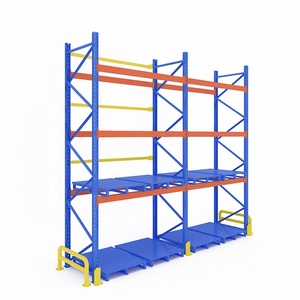
100%
Structural C-Channel Steel Integrity
75+
Years Heavy Structural Manufacturing (Since 1949)
2-Year
Industry-First Full Rack Damage Warranty
10 Plants
Regional Factories Across North America
Engineered Fulfillment Machinery
Industrial Racking & Flow System Deployments
Factory-direct structural steel configurations designed to withstand industrial lift-truck impact, dynamic live-roller loads, and humid maritime environments serving the Portsmouth logistics region.
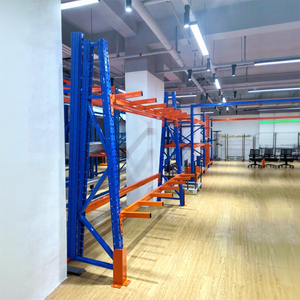
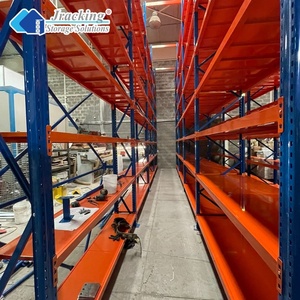
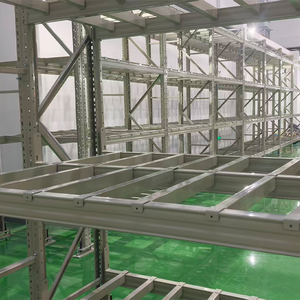
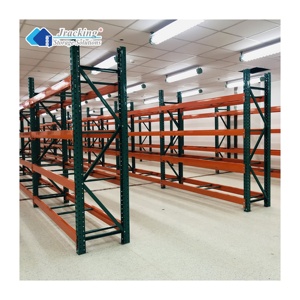
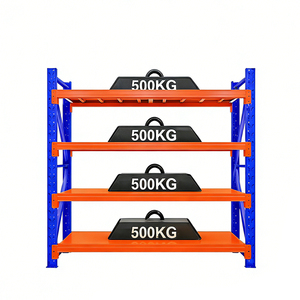
High-Density Module
Inspect Specs
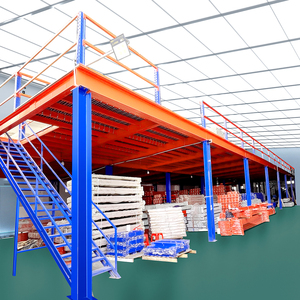
Multi-Level Pick Modules
Inspect Specs
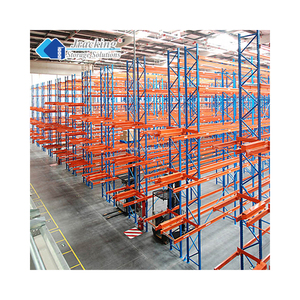
76.2mm Modular Pitch
Inspect Specs
Precision Kinematics & Gravity Flow Optimization in Coastal Maritime Hubs
In modern supply chain nodes, dynamic flow racking operations serve as the central nervous system for fast-moving consumer goods (FMCG), omnichannel retail, temperature-controlled cold chains, and cross-dock transshipment hubs. Flow rack picking—incorporating both carton-flow bed configurations and deep-lane pallet flow designs—operates on an engineered incline plane (typically between 3/8-inch to 1/2-inch per foot) utilizing kinetic gravity mechanics to transport inventory automatically from loading faces to dedicated picking positions.
Unlike static wide-span shelving or traditional teardrop selective racks, a structural steel flow rack picking module establishes strict physical segregation between loading pathways and picking aisles. By enforcing true First-In, First-Out (FIFO) stock rotation, warehouse managers completely eliminate operational cross-traffic between replenishment fork trucks and high-frequency order selectors. This design increases order-picking throughput by up to 60%, slashes worker transit distances, and consolidates the square footage footprint demanded by multi-SKU pick lines.
Manufacturing structural steel flow racking intended for maritime ports and coastal logistics markets like Portsmouth, Virginia (incorporating the Virginia Port Authority, Norfolk International Terminals, and Portsmouth Marine Terminal corridors) requires addressing intense cyclic fatigue, humidity-driven oxidation, and stringent seismic engineering standards. Frazier Industrial Racking Systems Co., Ltd. has delivered structural storage reliability across North America since 1949, manufacturing 100% hot-rolled C-channel structural steel racks that provide unmatched strength, collision resilience, and longevity compared to lightweight sheet-metal roll-formed alternatives.
Regional Logistics Dynamics
Localized Industrial Application Scenarios in Portsmouth
Analyzing the unique structural and logistical engineering requirements of maritime import/export terminals, defense hubs, and coastal temperature-controlled storage corridors.
Port Transshipment & 3PL Cross-Docking
Portsmouth's deep-water marine terminals demand high-velocity de-stuffing of ocean containers. Deep-lane pallet flow beds act as dynamic staging buffers directly behind unloading docks, smoothing cargo transfer during vessel arrival spikes without consuming excessive floor staging acreage.
Cold Storage & Seafood Distribution
Operating in blast freezers and cold storage facilities (-20°F) in coastal Virginia requires heavy structural steel channels that resist low-temperature embrittlement. Gravity flow lanes maximize cubic refrigeration volume, minimizing the power cost per pallet while ensuring non-interrupted FIFO rotation.
Defense & Naval Shipyard Support Depots
Serving nearby naval hubs and shipyard defense contractors requires multi-level pick modules with carton flow shelving capable of managing high-density, mission-critical parts and heavy hardware kits under rigid inventory-control standards.
Strategic Market Evolution
Portsmouth & Hampton Roads Supply Chain Trends
Key economic drivers shaping warehouse automation and dynamic storage racking specifications across the regional industrial belt.
| Logistics Growth Vector | Local Impact Driver | Structural Flow Rack Engineering Requirement |
|---|---|---|
| Post-Panamax Harbor Deepening | 55-foot shipping channels yielding increased container vessel surge volumes at Portsmouth terminals. | Heavy-duty 4- to 8-deep pallet flow systems capable of dynamic braking for pallets weighing over 2,500 lbs. |
| Industrial Land Constraints | Scarcity of Class-A development parcels along waterfront zones driving vertical clear-height designs up to 40+ feet. | Multi-tier structural pick modules integrated with case flow beds, pick-to-light systems, and overhead carton sortation conveyors. |
| Coastal Humidity & Salt Air | Accelerated atmospheric corrosion from salty maritime breezes impacting cold-rolled thin-gauge metals. | Hot-rolled solid steel channels paired with heavy-duty structural powder coating or hot-dip galvanized protective finishes. |
| Labor Automation Pivot | Rising hourly picker wages and local labor constraints near major naval shipyards and industrial plants. | Conversion from manual selective shelving to ergonomic carton flow tracks, minimizing picker transit steps by 40-70%. |
Material Selection Architecture
Structural C-Channel vs. Light Roll-Formed Steel
A direct engineering comparison explaining why structural steel delivers a lower Total Cost of Ownership (TCO) in abusive distribution environments.
Standard roll-formed (teardrop) racking is constructed using cold-rolled sheet steel formed into an open-back upright profile. While inexpensive on initial installation, its thin gauge makes it highly vulnerable to lift-truck fork impact damage. In a fast-paced coastal cross-dock facility, a low-speed collision from an 8,000-pound reach truck can buckle open-back columns instantly, causing catastrophic rack collapse or forcing expensive un-stacking and rack section replacements.
In contrast, Frazier's structural steel rack systems are constructed with solid hot-rolled structural steel C-channels (minimum 50,000 PSI yield point). With web thicknesses up to three times heavier than roll-formed profiles, structural frames resist torsional twisting and severe fork impact. Beam-to-column connections are bolted using ASTM A325 high-strength structural bolts rather than light sheet-metal tabs that can tear out under impact.
For dynamic pallet flow installations, structural steel provides the absolute rigid dimensional alignment required across multi-lane roller tracks. Any twisting or sagging across roll-formed beams disrupts gravity incline angles, causing pallet hang-ups, roller binding, and costly system downtime. Structural steel beams eliminate these deflections, guaranteeing predictable gravity run rates year after year.
Procurement & Engineering Due Diligence
Portsmouth Buyer's Technical FAQ
Answers to common structural engineering, building code, permitting, and design-load questions asked by regional industrial purchasers.
Why is structural steel superior for flow rack installations in high-throughput port facilities?
Structural steel (hot-rolled channel) provides the rigid structural geometry required to maintain precise incline angles along gravity-flow tracks. Roll-formed racking can deflect under live surge loads, creating roller binding and pallet hang-ups. Furthermore, structural steel easily withstands repeated forklift collisions common at busy port loading docks.
How are Portsmouth seismic and wind engineering calculations handled for rack permits?
Systems engineered by Frazier comply directly with the Rack Manufacturers Institute (RMI) ANSI MH16.1 standard and the Virginia Uniform Statewide Building Code (VUSBC). Although seismic acceleration values in southeastern Virginia are moderate, the alluvial, soft soil conditions common along coastal tidewater zones require verified baseplate calculations and heavy anchoring to meet local code requirements.
How does a structural carton flow system integrate with warehouse management and automation (WMS/WCS)?
Carton flow beds integrate directly with pick-to-light lightbars, voice-directed headsets, barcode pick tunnels, and takeaway take-off belt conveyors. Separation of loading and picking channels allows automated replenishing teams to load goods from the rear without ever disrupting front-line order selectors.
What braking systems and speed controllers are deployed for heavy pallet flow lanes?
For deep-lane systems handling 2 to 20 pallets deep, dynamic centrifugal or planetary speed controllers are engineered directly into the roller tracks. These brake rollers govern downhill speed to an ergonomic pace (typically 50-60 feet per minute) regardless of pallet weight variations, preventing harsh terminal impacts against the load stops.
What warranty protections exist against accidental forklift damage?
Frazier offers an industry-leading 2-Year Rack Damage Warranty covering its structural steel components against lift-truck impact damage. Bolted connections allow field replacement of single upright channel members without needing to demolish or unbolt entire adjacent bay runs.
Enterprise Manufacturing Authority
Why Frazier Racking Sets the Benchmark
More than seven decades of hot-rolled structural steel leadership, engineering authority, and dedicated manufacturing across North America.
Turnkey In-House Engineering
Frazier maintains an internal staff of licensed structural and AS/RS engineers. Every rack project serving the Portsmouth area includes project-specific engineering stamps, slab-stress analysis, seismic calculations, and coordination with local permitting authorities.
10 Strategic Manufacturing Plants
With manufacturing facilities strategically located across the United States, Canada, and Mexico, freight routes to coastal Mid-Atlantic destinations remain direct and cost-efficient, insulating your capital installation schedule from supply chain disruptions.
Industry Guild Memberships
Proud active corporate members of the Rack Manufacturers Institute (RMI), Material Handling Industry (MHI), Global Cold Chain Alliance (GCCA), Warehousing Education and Research Council (WERC), and International Warehouse Logistics Association (IWLA).
Engineering Your Portsmouth Distribution Facility
Consult directly with Frazier's technical engineering department. Share your warehouse clear heights, pallet loads, SKU velocities, and coastal facility specifications to receive an engineered layout optimization plan and project quote.