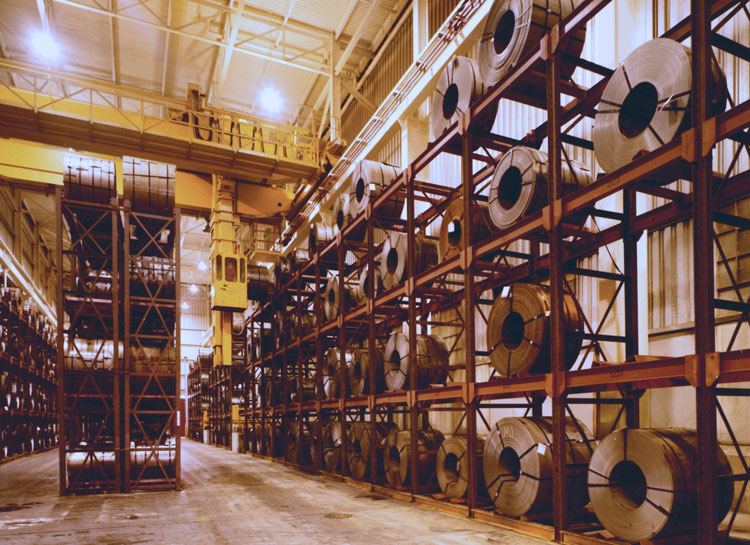
Long Materials
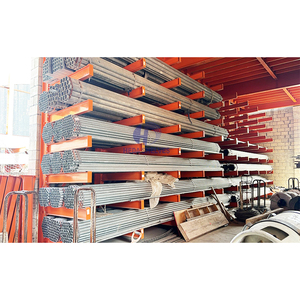
Explore heavy-load storage configurations designed, custom-fabricated, and shipped directly to Mexico City metropolitan distribution channels.
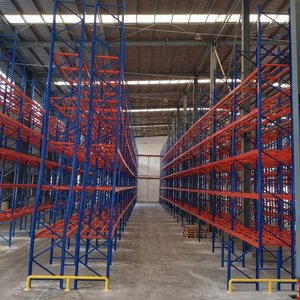
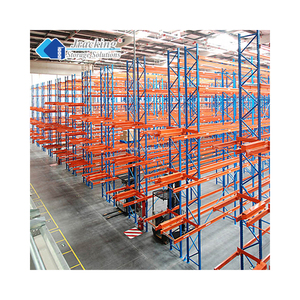
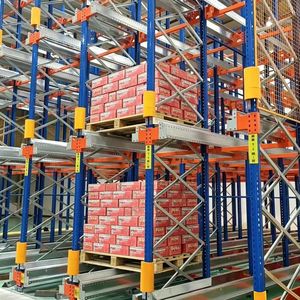
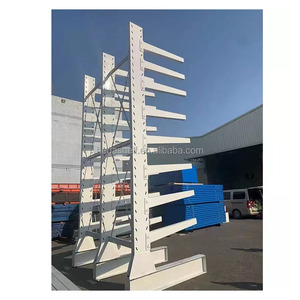
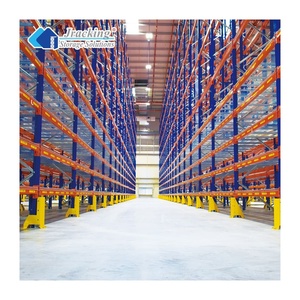
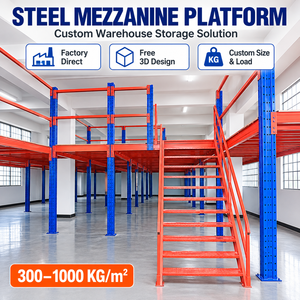
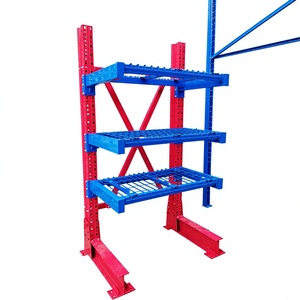
Solving clear-height underutilization, footprint constraints, and lacustrine seismic vulnerabilities across Cuautitlán, Tultitlán, Tepotzotlán (CTT), and Vallejo.
In the high-density metropolitan landscape of Mexico City (CDMX) and the adjacent State of Mexico industrial belt, logistics operators and light manufacturers face steep industrial land costs paired with historically low vacancy rates for prime Class-A facilities. As the nearshoring boom accelerates cross-border manufacturing and multi-client 3PL distribution, expanding horizontally is rarely feasible or financially justifiable. A custom OEM pallet rack supported mezzanine transforms unusable overhead vertical cubic volume into high-capacity industrial flooring without requiring external structural building modifications.
Unlike standard free-standing structural platforms that rely on dedicated, thick-gauge wide-flange columns taking up floor space, rack-supported mezzanines utilize the upright frames of heavy-duty pallet racking as the direct load-bearing infrastructure. By integrating pallet storage bays below and multi-tier catwalks, pick towers, or production decks above, logistics facilities double or triple their operational floor space while maintaining immediate pallet accessibility.
Seismic Design Imperative for CDMX: Mexico City's Valley floor consists predominantly of soft, lacustrine clay soils (Zone III - Lake Bed), subject to long-period wave amplification during seismic activity originating from the Cocos and North American subduction zones. Frazier's structural engineers evaluate site-specific response spectra under the Mexico City Building Code (Reglamento de Construcciones para el Distrito Federal - RCDF / NTC) alongside RMI ANSI MH16.1 standards, ensuring sway displacement limits, dynamic joint ductilities, and column base plate anchor shear resistances are strictly maintained.
Converting urban brownfield industrial properties into high-density split-level order fulfillment centers. Lower levels support high-turnover selective pallet racking, while elevated multi-tier mezzanine decking accommodates thousands of high-velocity picking bins and automated spiral package conveyors.
Cuautitlán Izcalli and Tepotzotlán host Tier-1 automotive parts consolidation nodes. Our rack-supported platforms provide heavy cantilever profiles on sub-levels for exhaust pipes and bumpers, crowned by high-load mezzanine staging for small-kitting subassemblies destined for Bajío assembly plants.
Designed for regulated temperature-controlled operations along the Toluca-Lerma corridor. Hot-rolled structural steel beams resist brittle fracturing at sub-zero temperatures, providing cleanable, anti-microbial bar grating or solid diamond plate floors that satisfy sanitary and COFEPRIS guidelines.
Why modern warehousing in Central Mexico is migrating from light roll-formed racking to structural steel rack-supported platforms.
The consolidation of global trade via the United States-Mexico-Canada Agreement (USMCA) has triggered sustained capital injection into central Mexico's industrial supply chain. Distribution operations are under continuous pressure to handle heavier palletized freight, higher SKUs, and intensified forklift cycle rates. In high-traffic distribution hubs, light-gauge roll-formed teardrop racking faces accelerated structural fatigue from forklift collisions. Bolted hot-rolled structural steel members eliminate structural folding, dramatically lowering operational insurance liabilities and downtime.
| Engineering Attribute | Hot-Rolled Structural Steel Mezzanine | Standard Roll-Formed (Teardrop) System | Strategic Benefit for Mexico City Hubs |
|---|---|---|---|
| Steel Yield Strength & Profile | ASTM A36 / A572 Grade 50 structural C-channels with thick flanges | Light-gauge cold-rolled coil sheet (open-back roll-formed) | Superior Deflection Limits - Absorbs high dead/live loads up to 250 lbs/sq ft. |
| Forklift Impact Resistance | Solid channel corners resist denting; retains vertical load capacity | Prone to torsion buckling and frame crushing on corner impacts | Zero Collapse Risk - Vital for high-traffic multi-shift Vallejo warehouses. |
| Seismic Ductility (RCDF / NTC) | Rigid bolted connections with engineered moment-resisting gussets | Friction-fit tab clip pins prone to dislodgement during wave excitation | Fully Code Compliant - Certified for Mexico City Zone III soft clay dynamics. |
| Repairability & Component Swaps | Bolted splice kits allow in-situ column replacement without total tear-down | Welded or hooked connections typically require full bay unloading & replacement | Reduced Maintenance - Keeps 24/7 cross-dock facilities fully operational. |
| Asset Protection Warranty | 2-Year structural forklift damage warranty + engineered lifetime support | Standard 1-year limited materials defect warranty; impact damage excluded | Asset Protection - Frazier protects capital expenditure against operator accidents. |
Procuring warehouse storage infrastructure across Latin America requires strict compliance with international manufacturing codes and reliable cross-border logistics. We support regional EPC firms, warehouse developers, and operations managers throughout every project stage.
Custom beam profiles, stair towers, kickplates, and handrail configurations engineered around existing fire-suppression sprinklers and HVAC trunking.
Heavy duty galvanized bar grating, engineered B-deck with wood/resinboard overlay, or solid anti-slip checkered plate to match manual push-carts, pallet jacks, or pick carts.
Factory-direct dispatch from specialized manufacturing plants directly to CDMX industrial parks, including customs documentation and engineering sign-offs.
Over seven decades of dedicated structural steel racking manufacturing across the United States, Canada, and Mexico.
Unlike commodity racking fabricators that split production lines between light wire and light sheet, Frazier manufactures with 100% hot-rolled structural steel, providing unmatched durability in cold storage, manufacturing, and third-party logistics.
With major manufacturing operations in Escobedo (Nuevo León) and Mexicali (Baja California), paired with dedicated sales and technical representation in Mexico City, regional supply routes shorten transit timelines and maintain reliable installation schedules.
In-house standard product engineers, AS/RS automation integrators, and structural analysts coordinate load parameters, building anchors, and sprinkler grid clearances directly with local Mexican general contractors and facility managers.
Forklift impacts occur in high-tempo distribution. Frazier backs its structural steel designs with an industry-leading 2-year rack damage warranty, supported by field-repairable bolted construction that keeps warehouse operations moving safely.
Engineered to interface seamlessly with automated guided vehicles (AGVs), automated storage and retrieval systems (ASRS), shuttle systems, and vertical reciprocating conveyors (VRCs) on elevated platforms.
Active participation in the Rack Manufacturers Institute (RMI), Material Handling Industry (MHI), and Global Cold Chain Alliance (GCCA), assuring that your Mexico City investment conforms to rigorous North American safety standards.
Addressing structural engineering, soil mechanics, customs compliance, and installation best practices for Mexico City and the State of Mexico.
Mexico City is segmented into three geotechnical zones: Zone I (Firme/Hills), Zone II (Transición), and Zone III (Lacustre/Lake Bed - covering parts of Vallejo, Iztapalapa, and northern routes toward CTT). In Zone III, soft clay formations amplify seismic shockwaves, increasing horizontal floor drift and base moment forces.
Our engineers perform finite-element dynamic structural calculations in accordance with the Reglamento de Construcciones para el Distrito Federal (RCDF) and its complementary technical standards (NTC-Sismo). This ensures upgraded base plate surface areas, high-grade anchor embedments, and specialized bracing schemes that avoid transferring excessive torsional load back into your building's concrete slab.
A conventional structural mezzanine relies on wide-flange I-beam columns spaced every 15 to 20 feet, requiring substantial floor area and dedicated concrete footings. A pallet rack supported mezzanine uses the vertical frames of heavy-duty pallet racking to carry the overhead mezzanine beams.
This allows warehouse operators to gain high-density pallet positions directly below the deck while creating usable picking or processing space above, saving up to 35% to 45% in combined structural materials and installation labor.
Yes. With manufacturing plants located in North America (including Mexico and the United States), Frazier structural components meet regional value content (RVC) requirements under the United States-Mexico-Canada Agreement (USMCA/T-MEC). This minimizes or eliminates customs import tariffs for Mexican corporations and enables streamlined cross-border transit directly to your facility in CDMX or the State of Mexico.
Floor selection depends directly on your daily material handling equipment and fire suppression system:
• Galvanized Welded Bar Grating: Permits water penetration from overhead ESFR fire sprinkler systems through the deck, often reducing or eliminating the need for in-rack sprinklers below the mezzanine level (subject to local Proteccion Civil and NFPA 13 approval).
• Corrugated B-Deck with High-Density Composite/Resin Flooring: Ideal for hand picking, light assembly, or operations utilizing robotic picking rovers (AMRs) that require a flat, smooth, quiet rolling surface.
• Heavy Checkered Diamond Steel Plate: Engineered for extreme wear environments, heavy industrial staging, and chemical resistance.
To produce an optimized structural layout and commercial proposal, our engineering group analyzes:
1. Architectural warehouse drawings showing clear height to the bottom of the lowest ceiling obstruction (joists, lights, sprinkler headers).
2. Concrete slab specifications (slab thickness, compressive strength f'c, and reinforcing mesh/rebar data).
3. Pallet load parameters (width, depth, maximum gross weight, and product overhang).
4. Mezzanine upper deck load requirement (typically 125 to 250 lbs/sq ft live load).
5. Seismic zone classification and postal code of the facility in Mexico City or surrounding municipalities.
Connect with our technical engineering team to review warehouse layouts, request structural AutoCAD calculations, or schedule a regional site assessment in Central Mexico.
Get a Quote