Engineered Structural Pallet Storage Lineup
Precision-engineered, heavy-duty industrial storage racks compliant with ISO, CE, and RMI standards. Designed to withstand intensive forklift impacts, seismic requirements, and cold-storage operations.
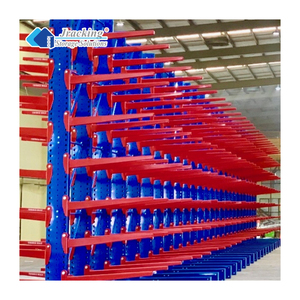
- Structural C-Channel Steel Columns
- Optimized for Pipes, Timber & Profiles
- Cold Storage Temperature Resistant
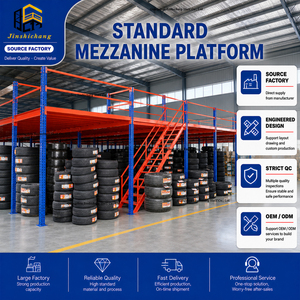
- Multiplies Floor Footprint 200%-300%
- Heavy Floor Decking Capacities
- CE Certified Structural Joints
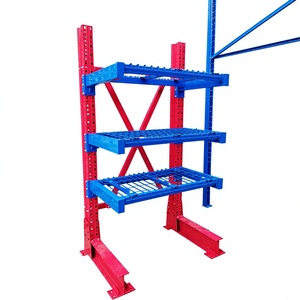
- Adjustable Pivot Arm Restraints
- High Corrosion Resistance Profiles
- Custom Arm Depth and Pitch Options
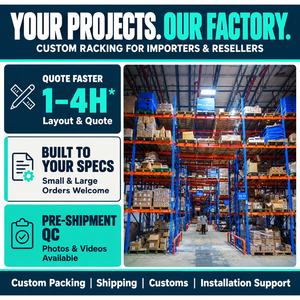
- 100% Immediate Pallet Accessibility
- Bolted Cold-Rolled & Structural Channels
- Universal Lift Equipment Compatible
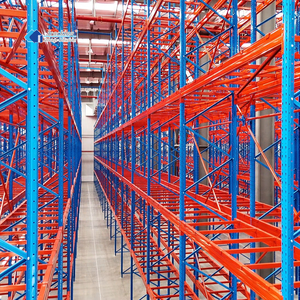
- CE Certified High-Bay Logistics Spec
- High-Tonnage Bay Capacity (Up to 5T)
- Precision Welded Beam Connectors
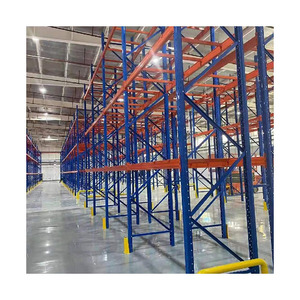
- Thermoset Electrostatic Powder Finish
- Scratch & Impact Wear Resistance
- Standard 2000mm-3300mm Bay Lengths
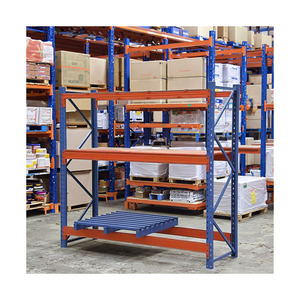
- Engineered 2000kg Layer Load Bearing
- Interchangeable Beam Slot System
- Rapid Field Assembly Architecture
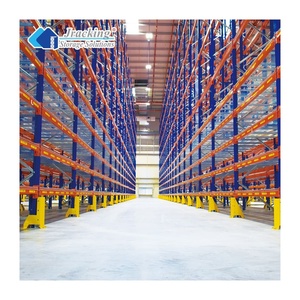
- FEM 10.2.02 / EN 15512 Certified
- Optimized for EUR/EPAL Wooden Skids
- High Vertical Clearance Stability
Why Global Supply Chains Rely On Our Infrastructure
We do not treat warehouse racking as light industrial commodity shelving. Racking is structural infrastructure. Designed to bear extreme seismic stress, high-dynamic load cycles, and continuous material flow.
100% Structural Steel Resilience
Manufactured from hot-rolled C-channel structural steel with solid steel uprights. Unlike roll-formed teardrop profiles that crumple under minor forklift impacts, our structural profiles absorb accidental impacts without catastrophic collapse, dramatically reducing long-term lifecycle replacement costs.
ASRS & High-Bay Automation Integration
In-house specialized engineering teams liaise directly with leading automation integrators (Vanderlande, Swisslog, Dematic, Daifuku). We manufacture structural steel tolerances down to millimeter-grade precision required for high-velocity shuttle cars and high-bay crane masts up to 45 meters high.
Certified Seismic Engineering (RMI & EN Codes)
Every international shipment arrives with structural calculation packages certified by registered Professional Engineers (PE). Compliant with RMI ANSI MH16.1, Eurocode FEM 10.2.02, and AS4084 standards, factoring dynamic ground acceleration and live loading thresholds.
Rack-Supported Building Engineering
Why spend capital on warehouse walls and roof frames before installing racks? Our rack-supported structural design turns the racking framework into the load-bearing building itself. This eliminates exterior structural columns and drastically accelerates project commissioning timelines.
Bolted Modularity & Easy In-Field Repair
Traditional teardrop systems often mandate whole-frame teardown when impacted. Our structural systems feature grade-5/grade-8 bolted channel connections and field-replaceable structural upright sections, allowing rapid single-component repairs without bay unloading shutdowns.
Global Multimodal Export Logistics
With shipping nodes and direct fabrication access across the USA, Canada, and global export hubs, our packaging engineers optimize freight cubing for breakbulk, 40HQ open-top, and flat-rack containers, eliminating maritime corrosion through protective vapor-inhibiting wrapping.
Industry Whitepaper: The Strategic Evolution of Warehouse Storage Racking
In modern distribution logistics, warehouse space is no longer just real estate; it is a high-density, high-velocity operational ecosystem. As global land values surge and labor availability faces unprecedented pressure, warehousing professionals are abandoning traditional, low-durability commodity racking in favor of long-lifespan structural steel systems and automated storage matrixes. According to supply chain market intelligence, the global warehouse racking market is undergoing a fundamental structural transition toward impact-resilient steel profiles, semi-automated deep-lane pallet shuttles, and tall vertical cubic utilization.
Roll-Formed Teardrop vs. Hot-Rolled Structural Channel Racking
For decades, procurement managers relied heavily on light-gauge roll-formed racking due to lower upfront steel procurement expenses. However, Total Cost of Ownership (TCO) analysis paints an entirely different picture in high-cycle environments such as 3PL hubs, beverage distributors, and cold storage freezers. Roll-formed racking—fabricated by stamping cold sheet coils into open-back profiles—is inherently prone to torsional buckling upon lift truck impacts. A single forklift tine impact can buckle a 14-gauge upright column, requiring immediate bay offloading, safety red-tagging, and costly frame replacements.
In contrast, structural steel pallet racking is engineered from solid hot-rolled steel channels joined with heavy-duty structural bolts. With web thicknesses exceeding roll-formed counterparts by up to 200%, structural members deflect and withstand dynamic forklift impacts without structural failure. This translates to an operational service life exceeding 20-30 years with minimal downtime, supported by our unconditional 2-year rack impact warranty.
| Engineering Attribute | Roll-Formed Steel Racking | Hot-Rolled Structural Channel Steel |
|---|---|---|
| Material Composition | Light-gauge coiled steel (12 to 16 gauge) | Hot-rolled structural channel steel (C-profile) |
| Impact Resistance | Low; susceptible to column buckling | Superior; high torsional strength & deflection absorption |
| Connection Architecture | Tab & slot (teardrop) friction pins | Grade-5 / Grade-8 heavy-duty bolted connections |
| Repairability | Difficult; often requires full-frame cut & splice | Rapid; modular bolted component replacement |
| Cold Storage Durability | Moderate; prone to embrittlement stress failure | Exceptional; tough structural ductile properties |
| Lifetime TCO | Higher over 10 years due to recurring maintenance | Lowest long-term TCO; zero continuous repairs |
Future Procurement Trends in Warehouse Storage (2025–2030)
Warehouse racking procurement is no longer an isolated trade purchase; it is deeply intertwined with logistics automation, material flow design, and environmental sustainability standards. Procurement directors evaluating infrastructure over the next decade must consider three non-negotiable vectors:
1. Deep Integration with Autonomous Mobile Robots (AMRs) & Automated Shuttles
Static manual forklift racking is rapidly yielding space to semi-automated deep-lane pallet shuttle systems (such as the Mole IQ® framework) and automated storage and retrieval systems (ASRS). Racking tolerances must become significantly tighter. Upright plumbness, deflection variances under load, and rail interface alignments require millimetric precision that only robotic automated welding and laser-cut structural steel channel fabrication can guarantee.
2. Cold Chain Expansion & Rack-Supported Structures
Refrigerated warehousing and temperature-controlled food logistics are expanding globally. Cold storage construction is notoriously energy-intensive. Traditional warehouses require heating or cooling the entire structural dead-space of the building. Rack-supported buildings (RSB)—wherein the structural rack system directly supports the insulated building skin and roofing—reduce construction cycle times by up to 40% and maximize cubic thermal efficiency. Every cubic meter of refrigerated air is packed with revenue-generating pallet positions.
3. Strict Seismic Resilience & ESG Carbon Footprint Demands
International building codes (including IBC 2024, NFPA 13, and FEM 10.2.02) mandate enhanced seismic design calculations even in moderate seismicity geographies. Supply chain developers must procure certified calculation packages validated by certified structural engineers. Simultaneously, multinational corporations demand environmental product declarations (EPDs) demonstrating that the steel content utilizes a high percentage of recycled scrap and clean electric arc furnace (EAF) smelting.
Strategic Recommendations for High-Throughput Warehouse Buyers
To avoid project delays, scope creep, and expensive structural redesigns during municipal permitting, international EPC contractors and supply chain directors should standardize on the following structural procurement best practices:
- Conduct Soil & Slab Core Analysis First: Racking point loads can exceed 20,000 to 50,000 lbs per baseplate. Ensure that your concrete slab thickness, compressive strength (psi), and sub-base stability match the racking structural layout.
- Account for Fire Protection Clearance Early: Early consultation with fire suppression engineers ensures that flue spaces (both longitudinal and transverse) comply with NFPA 13 or local in-rack sprinkler guidelines before locking beam elevations.
- Prioritize Modular Standardization: Choose pallet racking systems designed with standardized punch holes and modular beam levels to accommodate changing pallet heights, SKU assortments, and automated retrofits over time.
Frequently Asked Questions About Pallet Racking Procurement
Detailed technical, engineering, and logistic guidance for supply chain managers, warehouse directors, and international buyers.