Cap: 1000-4000kg
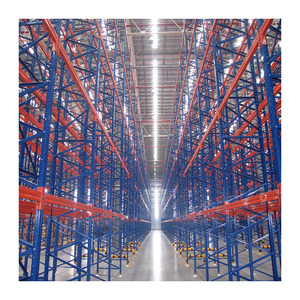
Mracking Heavy Duty Industrial Palletized Racking (1000-4000kg)
- High-capacity cold-formed uprights
- Interlocking beam safety pins
Tested under dynamic operational stresses and certified according to European EN 15512, ANSI MH16.1 (RMI), and CE structural steel directives. Select an industrial system to view technical specifications or request certified wholesale engineering data.
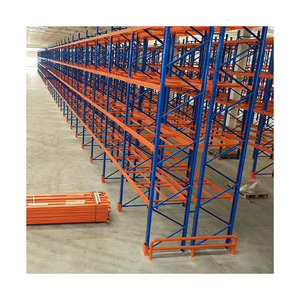
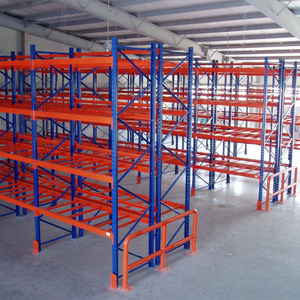
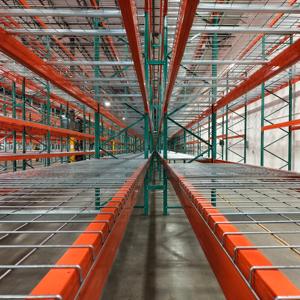
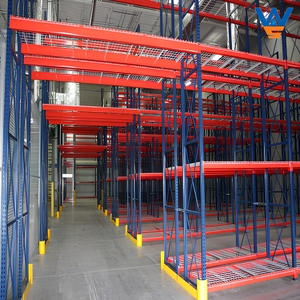
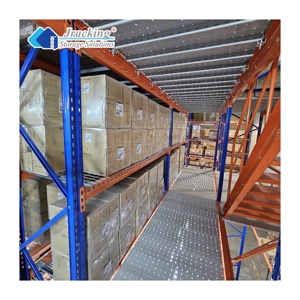
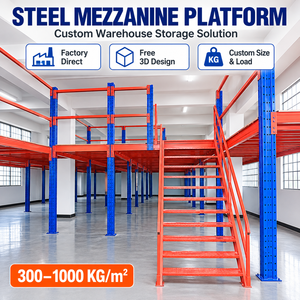
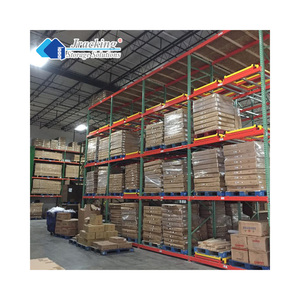
Combining 75+ years of engineering legacy, certified metallurgic testing, and scalable transnational manufacturing footprints across the United States, Canada, and global export hubs.
Unlike light-gauge roll-formed alternatives vulnerable to forklift impact, our hot-rolled structural steel columns resist heavy vehicular shears, drastically slashing lifetime facility repair overheads.
We stand behind the operational integrity of our installations with an industry-benchmark 2-year rack damage warranty, supported by field-bolted designs that allow targeted segment replacement without tear-downs.
Operating manufacturing facilities in the USA (NJ, PA, NY, SC, TN, ID), Canada (Ontario), and Mexico, our supply network minimizes container sea-freight emissions, shortens transit milestones, and guarantees delivery timelines.
Every frame is engineered by high-rise structural specialists compliant with International Building Code (IBC), Eurocode 3 (EN 1993-1-3), and RMI criteria, expediting regional civil engineering permits.
Choosing the right rack format requires evaluating dynamic aisle floor loads, seismic accelerations, handling velocity, and operational pallet selectivity. Review the technical baseline below.
| Storage System Type | Yield Strength & Profile | Storage Density | Pallet Selectivity | Inventory Rotation | Target Industrial Application |
|---|---|---|---|---|---|
| Sentinel® Selective Rack | Hot-Rolled Structural C-Channel | Baseline (Standard Aisles) | 100% Immediate Access | FIFO / LIFO Flexible | 3PL Warehousing, Retail Distribution Hubs, FMCG |
| Glide-In® Push Back Rack | Heavy Gauge Nested Structural Carts | High (+75% vs Selective) | By Lane Face | LIFO Dynamic Gravity | Cold Storage Freezers, Food & Beverage, Staged Batching |
| Continuous Drive-In Racking | Structural Arm/Rail Cold-Formed | Very High (+85% Cube) | Low (Per Bay Axis) | LIFO / FIFO Drive-Through | Homogeneous Raw Materials, Agricultural & Chemical Bulk |
| Automated Pallet Flow (FIFO) | Skate Wheel / Roller Gravity Track | High Cube Utilization | By Channel Lane | Strict FIFO Rotation | Pharmaceuticals, Perishable Foods, Date-Coded Goods |
| ASRS High-Bay Racking | Mill-Toleranced Laser Verified | Maximum Vertical Altitude | Automated WCS Crane Access | Software Controlled | High-Velocity E-Commerce Fulfillment, Labor-Constrained DCs |
| Rack-Supported Buildings | Complete Building Skeleton Grade | Total Volumetric Cube | Crane & Shuttle Automated | System Directed | Greenfield Cold Stores, Automated Deep Freeze Logistics |
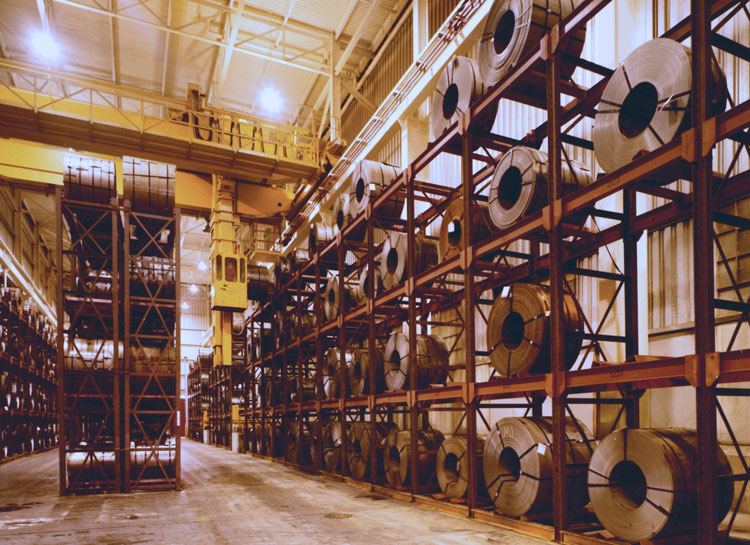
When procurement managers compare initial capital expenditure, thin-gauge roll-formed uprights often appear economical. However, dynamic lifecycle analyses reveal that over 68% of warehouse racking damage occurs at the bottom 600mm of the upright frame due to forklift outrigger collisions.
Material handling architectures are transitioning toward higher automation densities, carbon traceability, and strict compliance integration. Review key technical directives below.
Rising land acquisition costs across North America and Europe are compelling operators to shift from conventional 10-meter clear heights to 30-to-45-meter vertical high-bay systems.
Racking structures now serve as the structural framework for automated stacker cranes and multi-directional shuttles, demanding fabrication tolerances down to ±1.5mm along continuous rail guides.
Supply chain volatility has shifted enterprise buyers away from sole-source transoceanic sourcing. Procurement matrices now require dual-continent fabrication capabilities.
Facilities backed by multi-node production across the US, Canada, and bonded export zones safeguard delivery schedules while maintaining full CE and USMCA documentation readiness.
Global logistics developers must meet Net-Zero carbon targets, requiring racking manufacturers to supply verified Environmental Product Declarations (EPD) and recycled steel certifications.
By leveraging electric arc furnace (EAF) structural steel production with high scrap ratios, certified suppliers enable warehouses to achieve LEED Gold and BREEAM Outstanding environmental ratings.
Key compliance, structural engineering, and freight questions addressed directly by our senior structural engineering team.
Collaborate with experienced structural engineers to calculate floor slab loads, maximize vertical storage density, and specify compliant CE/RMI structural steel racking tailored to your project requirements.